
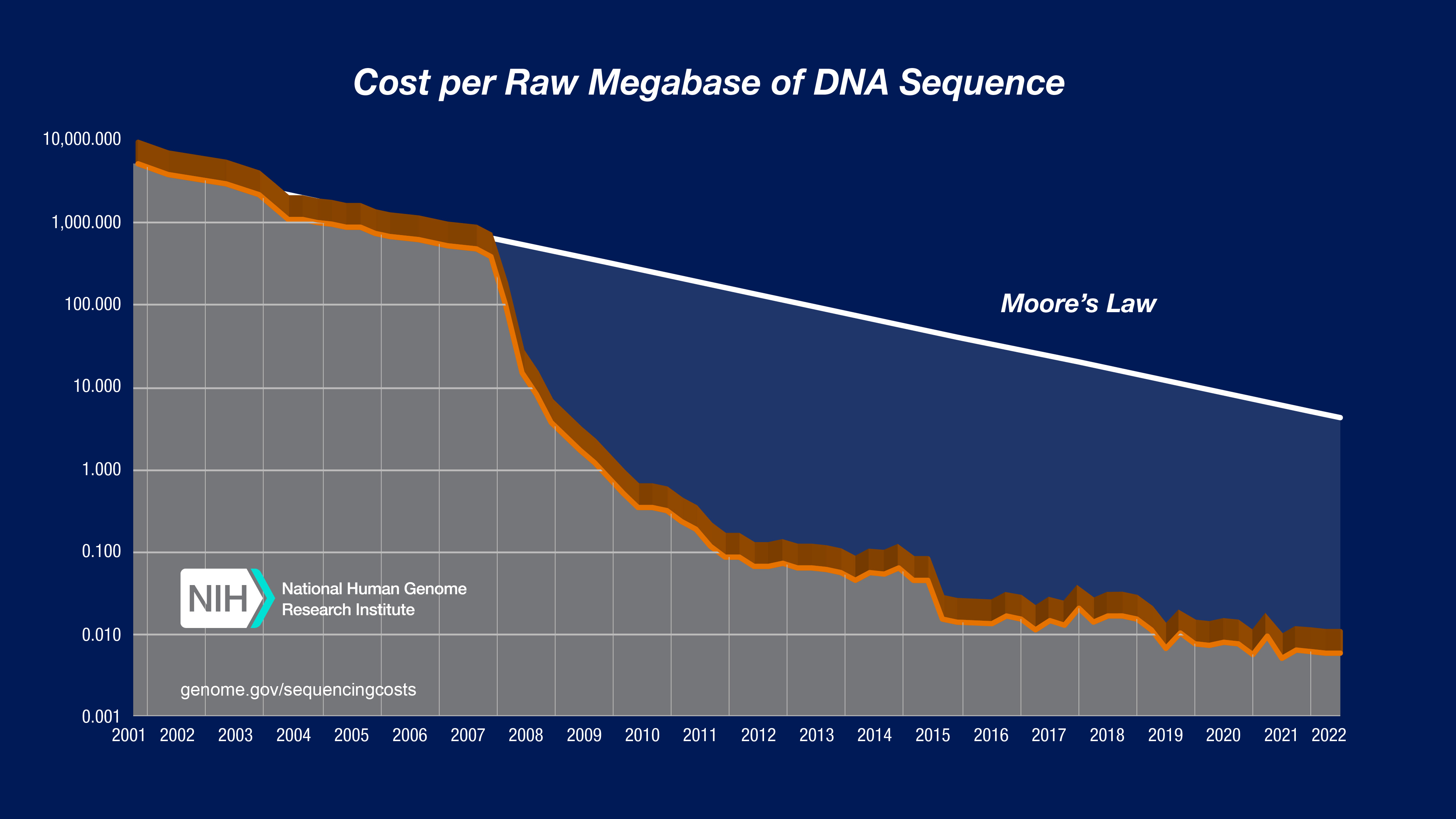
The 2026 sequencing landscape
The DNA sequencing market is entering a high-growth phase, with industry analysis projecting the sector to reach $21.7 billion in 2026. This expansion is driven by a fundamental shift in how genetic data is utilized: moving beyond pure academic research into clinical integration. As diagnostic protocols adopt these tools more aggressively, the demand for real-time, shared monitoring systems has become critical.
This transition creates a high-stakes environment where data accuracy and speed are paramount. Clinicians and researchers alike are relying on platforms that can handle the massive throughput of next-generation sequencing (NGS) while providing immediate, actionable insights. The technology landscape is no longer just about generating sequences; it is about managing the flow of information from the sequencer to the decision-maker.
Key players in the DNA sequencing trends 2026 space, including Illumina, Thermo Fisher Scientific, and Pacific Biosciences, are focusing on hardware and software that support this clinical workflow. Their systems are designed to reduce turnaround times and improve data reliability, ensuring that shared data monitoring can function effectively across diverse medical and research settings.
5 Shared Seq Watch: Top 5 DNA Sequencing Trends to Watch in 2026
The landscape of DNA sequencing trends 2026 is defined by rapid hardware evolution and data integration. This selection highlights five concrete innovations shaping the industry, from next-generation analyzers to automated library prep systems, based on primary manufacturer releases and expert analysis.
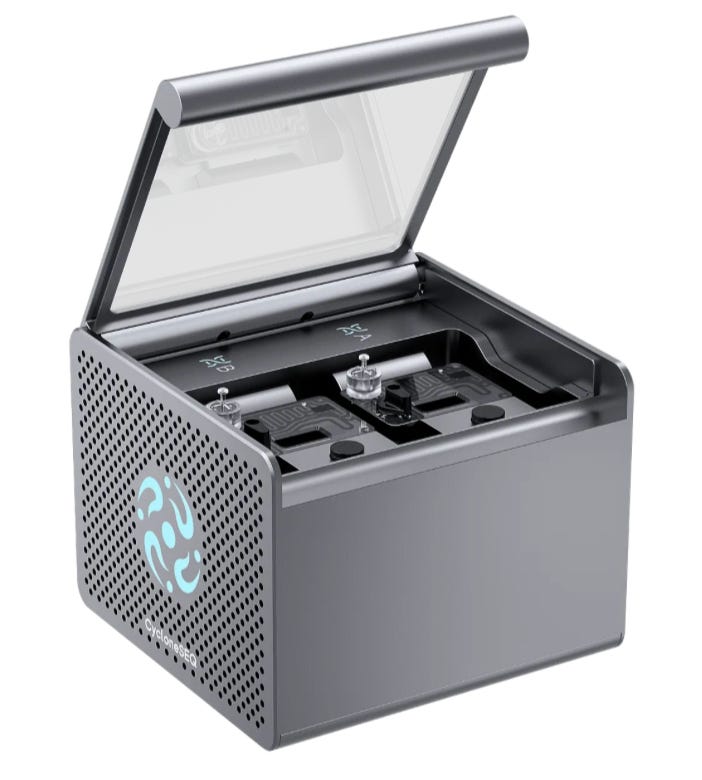
1. Oxford Nanopore PromethION 2 Solo
The PromethION 2 Solo redefines scalable long-read sequencing with its modular design, allowing labs to expand capacity as needs grow. This system delivers ultra-long reads essential for resolving complex genomic regions, making it a cornerstone for 2026 DNA sequencing trends. Its flexibility supports everything from microbial genomics to large-scale human studies without compromise.
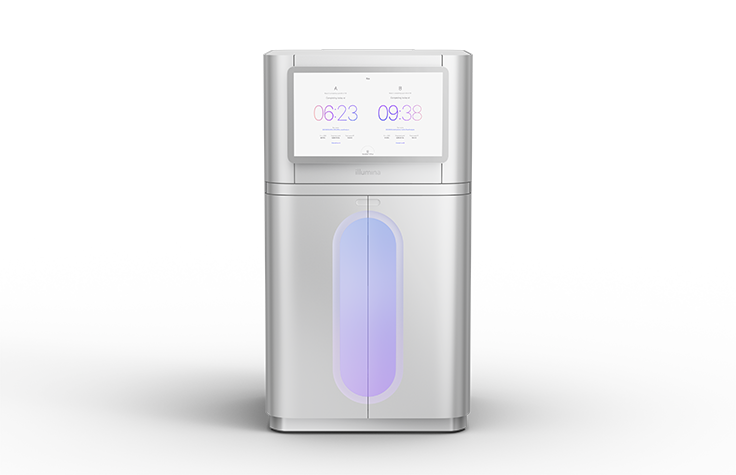
2. Illumina NovaSeq X Plus
Illumina’s NovaSeq X Plus sets a new standard for high-throughput short-read sequencing, offering unprecedented speed and data quality. As a key driver in 2026 DNA sequencing trends, it enables large-scale population studies and clinical genomics with remarkable efficiency. Its advanced optics and fluidics ensure consistent performance, making it ideal for research institutions demanding reliability and scale in their genomic workflows.
3. 10x Genomics Chromium Single Cell
The 10x Genomics Chromium platform revolutionizes single-cell analysis by capturing transcriptomic, epigenomic, and proteomic data from individual cells. This technology is pivotal in 2026 DNA sequencing trends, enabling researchers to unravel cellular heterogeneity in complex tissues. Its integrated workflow simplifies library preparation and data analysis, providing deep insights into disease mechanisms and biological processes at an unprecedented resolution.

4. PacBio Revio System
The PacBio Revio system delivers high-fidelity long reads at scale, addressing the need for accurate genome assembly and variant detection. It is a major component of 2026 DNA sequencing trends, offering 15 times more HiFi data than previous generations. This capability allows for comprehensive genomic characterization, including structural variants and repetitive regions, making it indispensable for advanced genomic research and clinical applications requiring high accuracy.
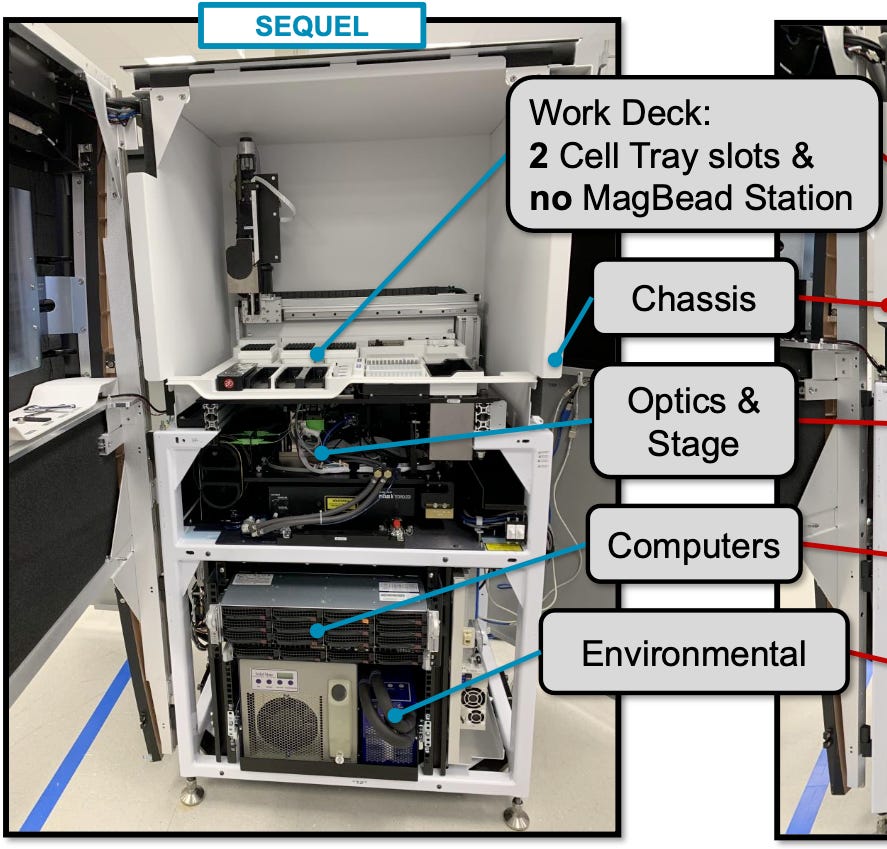
5. Strand NGS Library Prep
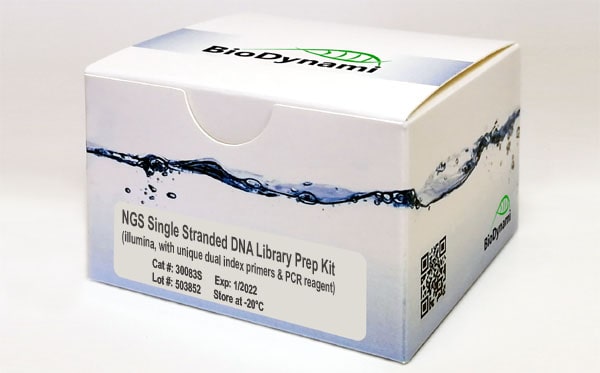
Strand’s NGS library prep kits streamline the genomic workflow with innovative chemistry that reduces input requirements and processing time. These kits are essential for 2026 DNA sequencing trends, enabling efficient preparation of diverse sample types with high reproducibility. By simplifying library construction, they allow researchers to focus on data generation and analysis, enhancing productivity and accuracy in next-generation sequencing projects across various biological disciplines.
Long-read platforms enter clinical workflows
Long-read sequencing is moving from research labs into standard clinical diagnostics. Third-generation platforms are solving the limitations of short-read methods by capturing large genomic structures in single reads. This shift is a major DNA sequencing trend 2026, enabling clinicians to detect complex variants that were previously invisible.
Long-read platforms are entering clinical workflows, marking a critical inflection point for genomics.— Fulcrum Genomics
Two products define this transition. The PacBio Revio System offers high-throughput, highly accurate reads ideal for comprehensive genomic analysis. The Oxford Nanopore MinION provides portable, real-time sequencing, allowing for rapid pathogen identification and point-of-care applications.
These tools are changing how shared sequence data is monitored. Clinicians can now identify structural variants, repeat expansions, and phasing information with greater confidence. As adoption grows, laboratory workflows are adapting to integrate these longer reads into routine diagnostic pipelines.
Agentic AI tools reshape genomics
The integration of autonomous AI agents is transforming bioinformatics pipelines from passive data processors into active quality control systems. In 2026 DNA sequencing trends, these agents operate continuously, benchmarking outputs in real-time and flagging anomalies before they compromise shared datasets. This shift reduces manual review burdens and ensures higher fidelity in clinical and research applications.
Fulcrum Genomics highlights that agentic AI is no longer a future concept but an active component of modern genomic workflows. These tools autonomously adjust parameters based on incoming data streams, detecting sequencing errors or contamination events that traditional static pipelines might miss. By handling routine benchmarking tasks, they allow researchers to focus on complex biological interpretation rather than data cleaning.
The convergence of AI and cloud computing, as noted by industry analysts, is accelerating this adoption. As sequencing platforms generate larger datasets, the ability to deploy intelligent agents for immediate anomaly detection becomes a critical infrastructure requirement. This trend is reshaping how laboratories manage data integrity and compliance in shared genomic environments.
Spatialomics and single-cell precision
The push toward higher-resolution DNA sequencing trends 2026 is defined by the shift from bulk tissue analysis to spatialomics and single-cell precision. Researchers are no longer satisfied with average gene expression across a sample; they need to know exactly which cell type is expressing a gene and where it sits within the tissue architecture. This granular view is essential for understanding complex disease mechanisms, particularly in oncology and neuroscience.
To capture this level of detail, labs are adopting instruments that combine high-throughput sequencing with spatial mapping capabilities. The 10x Genomics Visium platform allows researchers to visualize gene expression directly on tissue sections, preserving the spatial context that is lost in traditional single-cell suspensions. For even higher resolution, the Nanostring GeoMx Digital Spatial Profiler enables targeted profiling of specific regions of interest within a slide, offering a bridge between broad tissue overview and molecular specificity.
These advanced tools require sophisticated monitoring for data integrity. The sheer volume of spatial data generated demands rigorous quality control to ensure that cell boundaries and gene assignments are accurate. As these technologies become central to 2026 research workflows, the ability to manage and validate this complex data becomes as critical as the sequencing itself.
Targeted sequencing market expansion
The focus in 2026 DNA sequencing trends 2026 is shifting decisively toward targeted applications. Rather than sequencing entire genomes, researchers and clinicians are prioritizing specific regions of DNA or RNA where actionable data resides. This shift is driven by the need for speed, lower costs, and higher accuracy in clinical diagnostics.
Market data underscores this rapid adoption. The U.S. targeted DNA RNA sequencing market is projected to grow at a compound annual growth rate of 19.17% between 2026 and 2035, reaching an estimated $27.72 billion [src-serp-4]. This expansion is fueled by the increasing integration of next-generation sequencing (NGS) into routine care, particularly for oncology and rare genetic disorders.
As the market expands, the demand for specialized benchmarking tools and standardized panels has intensified. Major players like Illumina, Thermo Fisher Scientific, and PacBio are leading this space by offering comprehensive solutions that streamline workflows from sample preparation to data analysis [src-serp-3]. For professionals navigating this landscape, selecting the right hardware and reagents is critical to maintaining data integrity.
To support these growing needs, we have curated a selection of essential tools available for purchase. These products represent the current standard for targeted sequencing workflows, offering reliability and performance for both research and clinical settings.
Essential bioinformatics tools for 2026
As DNA sequencing trends 2026 shift toward higher throughput and easier data sharing, the right hardware and kits matter. Below are five concrete tools that support shared sequence monitoring and benchmarking.



As an Amazon Associate, we may earn from qualifying purchases.
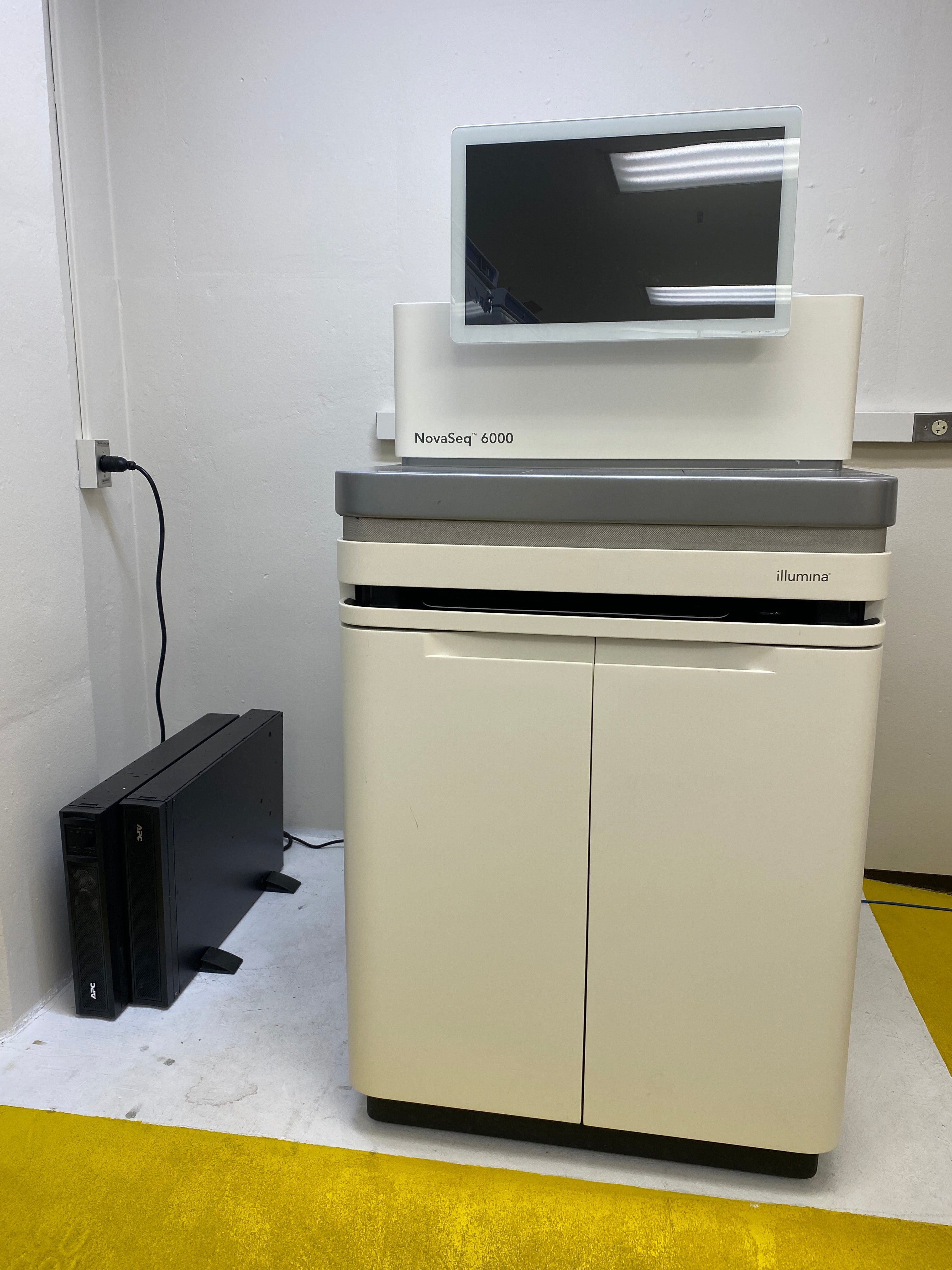
The Illumina NovaSeq 6000 remains the workhorse for high-throughput short-read applications, ideal for large-scale population studies. For complex genomes, the PacBio Sequel IIe offers long-read capabilities that resolve structural variants missed by other methods. Oxford Nanopore’s PromethION 2 provides real-time sequencing, making it excellent for rapid pathogen identification.
The Thermo Fisher Ion GeneStudio S5 Plus delivers fast turnaround times for smaller panels, while Agilent’s SureSelect kits ensure high-quality target enrichment. Together, these tools cover the spectrum of needs for modern sequencing workflows.
FAQ: DNA sequencing trends 2026
How does long-read sequencing differ from short-read methods in 2026?
Long-read sequencing, primarily from PacBio and Oxford Nanopore, captures thousands to millions of base pairs in single reads. This allows for the resolution of complex genomic structures, such as repetitive regions and structural variants, which are often missed or fragmented by short-read methods like Illumina. In 2026, long-read data is increasingly used to create complete, telomere-to-telomere genome assemblies, providing a more accurate reference for clinical diagnostics.
What role does AI play in DNA sequencing workflows?
AI and machine learning are integrated directly into sequencing instruments and bioinformatics pipelines to enhance data quality. In 2026, agentic AI tools autonomously monitor sequencing runs in real-time, detecting errors, contamination, or optical issues before they compromise the dataset. This automation reduces the need for manual quality control checks and accelerates the time from sample to result, particularly in high-throughput clinical settings.
Which targeted sequencing panels are most relevant for oncology?
Targeted sequencing panels focusing on cancer-related genes are seeing the fastest growth. Platforms from Illumina (TruSight Oncology), Thermo Fisher (Oncomine), and Agilent (SureSelect) offer comprehensive panels that sequence hundreds of cancer-associated genes simultaneously. These panels provide higher depth of coverage at a lower cost than whole-genome sequencing, making them the standard for identifying actionable mutations in tumor biopsies.
What is the projected market size for DNA sequencing in 2026?
Industry analysis projects the global DNA sequencing market to reach $21.7 billion in 2026. This growth is driven by the increasing adoption of sequencing in clinical diagnostics, particularly for non-invasive prenatal testing (NIPT), cancer screening, and rare disease diagnosis. The shift from research-only applications to routine clinical care is the primary catalyst for this expansion.
No comments yet. Be the first to share your thoughts!