
The 2026 genomic data landscape
By 2026, the volume of AI-generated sequence data has overwhelmed traditional privacy frameworks. As generative models fill gaps in genomic databases, the line between authentic biological samples and synthetic artifacts blurs, creating new vectors for re-identification attacks. Open science relies on sharing, but the risks of exposing sensitive health information have grown proportionally with data utility.
This tension is visible in major repositories like GISAID, where conflicts over data access rights highlight the difficulty of balancing global health needs with individual privacy. Researchers now face a dual challenge: maintaining the open flow of sequence data for scientific progress while implementing robust de-identification standards that can withstand AI-driven inference attacks. The current infrastructure is struggling to adapt to this high-speed data environment.
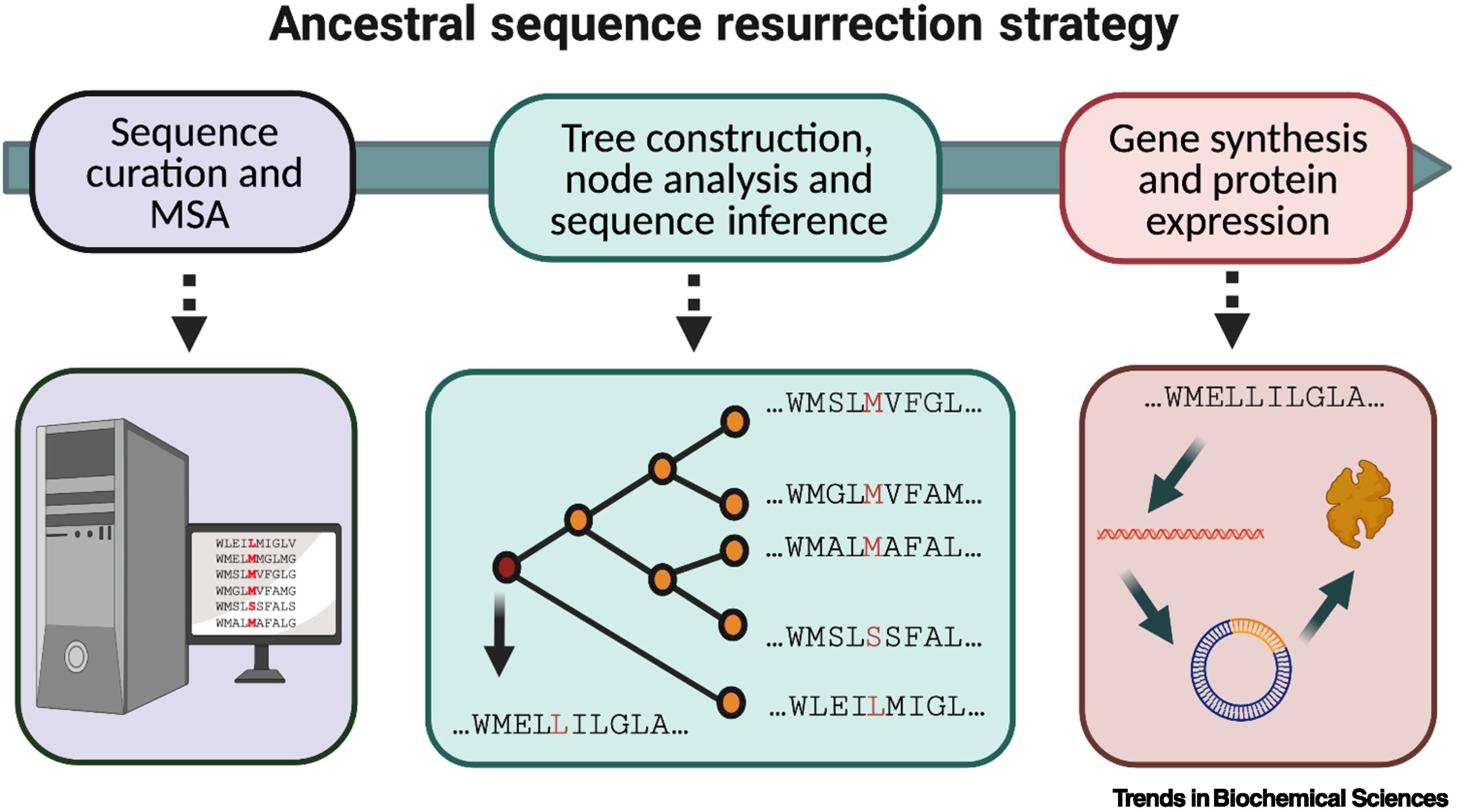
Comparing data sharing models
Researchers rely on three primary mechanisms to share genomic data, each with distinct trade-offs between open access and data control. The choice of repository directly impacts how quickly AI models can ingest training data and how effectively privacy protections are enforced.
Open-Access Repositories
The International Nucleotide Sequence Database Collaboration (INSDC) — comprising GenBank, ENA, and DDBJ — provides free, unrestricted access to sequence data. While this model accelerates global scientific collaboration, it offers minimal privacy controls by default. Once data is submitted, it is publicly available, making re-identification risks higher for sensitive genomic datasets.
Controlled-Access Repositories
GISAID operates on a unique "EULA" (End User License Agreement) model. It balances rapid data sharing with attribution requirements and data use restrictions. Researchers must register and agree to terms that prevent commercial misuse without permission. This model proved critical during the SARS-CoV-2 pandemic, enabling rapid viral tracking while maintaining a framework for data stewardship.
Private and Institutional Repositories
Many institutions maintain private repositories or use controlled-access platforms like dbGaP. These models require formal approval for data access, offering the highest level of privacy protection. However, this friction significantly slows down data availability, often creating bottlenecks for AI training pipelines that require large, diverse datasets.
The table below compares these models across key operational metrics.
| Model | Access Speed | Privacy Controls | AI Readiness |
|---|---|---|---|
| INSDC (Open) | Instant | Low | High |
| GISAID (EULA) | Moderate | Medium-High | Medium |
| dbGaP (Controlled) | Slow | High | Low |
AI re-identification risks
Anonymized genomic data is no longer safe. Advanced machine learning models can now infer sensitive personal information from seemingly anonymous shared sequence data, creating privacy vulnerabilities that did not exist in earlier years. Researchers have demonstrated that AI algorithms can cross-reference public genetic databases with public records to de-anonymize individuals with alarming accuracy.
The core issue lies in the uniqueness of the human genome. Unlike a password, which can be changed if compromised, a DNA sequence is permanent and shared with biological relatives. When researchers upload anonymized data to public repositories, they often strip direct identifiers like names or addresses. However, AI models can reconstruct identities by matching genetic markers against publicly available genealogy databases or social media profiles that users have voluntarily uploaded.
This risk is not theoretical. Recent studies published in Nature and Science highlight how AI-driven re-identification attacks can link anonymized genomic data to specific individuals, even when the dataset was processed to remove direct identifiers. The ability of these models to infer health status, ancestry, and familial relationships from fragmented data points means that "anonymized" data can effectively be re-identified.
The implications for global health research are significant. As noted in recent analyses of SARS-CoV-2 genomic data sharing, hesitance to share sequencing data may be exacerbated by fears of re-identification, particularly in low- and middle-income countries. Without robust privacy-preserving technologies, the very data needed to track disease outbreaks and develop treatments may become too risky to share, stalling scientific progress.
Protecting participant privacy requires a shift from simple anonymization to more advanced privacy-preserving techniques. These include differential privacy, which adds statistical noise to datasets, and secure multi-party computation, which allows data analysis without exposing raw genetic information. Until these methods become standard, researchers must carefully weigh the benefits of data sharing against the potential privacy harms to participants.
Benchmarking privacy tools for genomic data
Protecting shared sequence data requires more than simple encryption; it demands rigorous benchmarking of privacy-preserving technologies. Researchers and health organizations now rely on specific tools to measure re-identification risks before releasing data to public repositories like GISAID. This section highlights the methodologies used in 2026 to enforce privacy without sacrificing scientific utility.
The landscape of genomic privacy has shifted from theoretical models to practical, code-based enforcement. Tools like Nextstrain, originally launched for real-time phylogenetic analysis, now incorporate privacy benchmarks that filter out sensitive metadata before public dissemination. These systems do not just analyze viral evolution; they audit the data for potential leaks of patient identity or geographic specificity.
To ensure robust protection, several key technologies are currently benchmarked for their effectiveness in shared sequence data environments:
Key privacy-preserving technologies
-
Differential Privacy
Adds statistical noise to query results, making it mathematically difficult to identify individual sequences within a dataset while preserving overall trends. -
k-Anonymity Filters
Groups genetic records into clusters of at least k individuals, ensuring that no single sequence can be distinguished from its peers in public databases. -
Secure Multi-Party Computation
Allows multiple institutions to compute joint analyses on shared sequence data without revealing their raw inputs to each other. -
Homomorphic Encryption
Enables computational operations on encrypted genomic data, allowing researchers to perform analysis without ever decrypting the sensitive information.
Benchmarking these tools involves simulating re-identification attacks to test their resilience. A tool is only considered effective if it can withstand sophisticated queries that attempt to link sequence data with external public records. This iterative testing process ensures that privacy safeguards evolve alongside the capabilities of potential attackers.
Ethical frameworks for 2026
The governance of shared genomic data has shifted from simple access agreements to complex equity negotiations. In 2026, the primary ethical challenge is no longer just anonymization, but benefit-sharing. As highlighted by research in Nature, the reluctance of low- and middle-income countries (LMICs) to share sequencing data often stems from perceived inequalities in how benefits are distributed back to the source communities [1].
Global databases like GISAID face ongoing scrutiny regarding their governance structures. Critics have pointed to "autocratic" decision-making processes that can hamper rapid scientific response and create friction between data providers and global health agencies [2]. This tension underscores the need for transparent, community-led frameworks that ensure data contributors receive tangible returns, such as vaccine access or sequencing infrastructure, rather than just academic citations.
Effective ethical frameworks must move beyond static consent forms. They require dynamic models that adapt to new AI capabilities, ensuring that the commercial value derived from genomic insights is equitably shared. Without this, the global data pipeline risks collapsing under the weight of mistrust and inequity.
No comments yet. Be the first to share your thoughts!