

In the frenetic world of Ethereum Layer-2 scaling, shared sequencers emerge as the unsung heroes battling centralization pitfalls. These protocols promise a unified ordering layer for multiple rollups, slashing redundancy while amplifying shared sequencer decentralization. But talk is cheap; true validation demands rigorous rollup protocol benchmarks. At SharedSeqWatch. com, we've crunched the numbers, revealing how projects like Espresso and Astria stack up in real-time ethereum decentralization metrics and sequencer validation. The stakes? A more resilient, scalable blockchain ecosystem where no single entity calls the shots.
Espresso and Astria: Pioneers Redefining Sequencer Networks
Espresso Sequencer stands out with its Hotshot consensus, a Hotstuff variant tuned for blistering throughput and sub-second finality. By tapping EigenLayer, it recruits Ethereum's validator army as sequencers, weaving security from the L1 fabric itself. This isn't just decentralization; it's symbiotic reinforcement. Imagine validators earning extra yield while fortifying L2s- pure efficiency alpha.
Astria flips the script as middleware, decoupling sequencing from execution. Multiple rollups plug into its network, all sipping from Celestia's data availability for censorship-proof ops and seamless cross-rollup composability. NodeKit joins the fray with proposer-builder separation, delivering SaaS simplicity for atomic cross-chain txs. These aren't lab experiments; they're battle-tested paths to interoperability.
Key Features of Espresso, Astria & NodeKit
- Espresso Sequencer: Harnessing Hotshot consensus (Hotstuff variant) for blazing throughput and fast finality, it taps EigenLayer to recruit Ethereum validators as sequencers—supercharging decentralization!
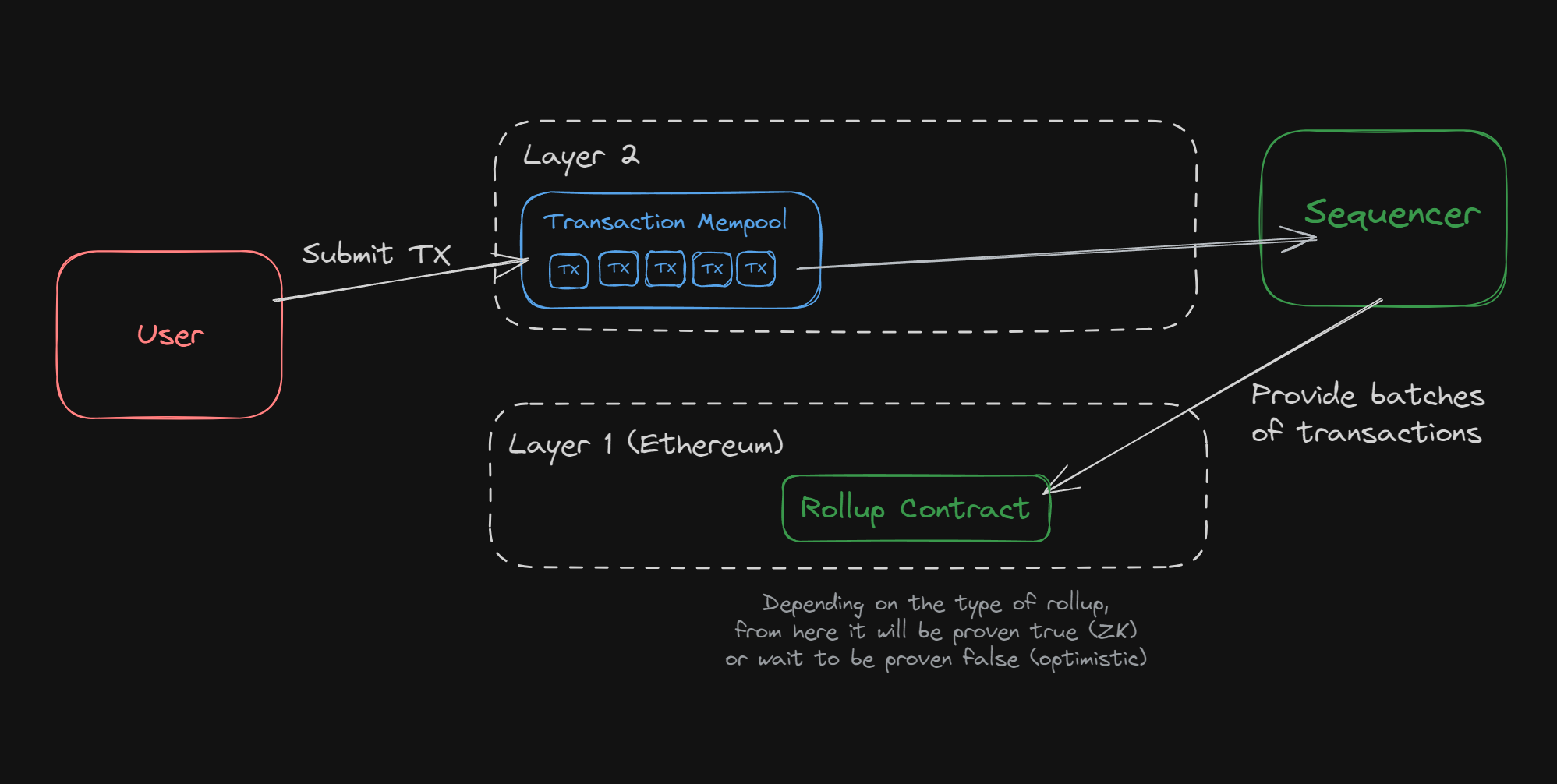
- Astria: Clever middleware decoupling sequencing from execution, letting multiple rollups share a sequencer network with Celestia DA for ironclad censorship resistance and seamless atomic composability.
- NodeKit: Innovates with proposer-builder separation for cross-chain atomicity, offering easy SaaS deployment of decentralized shared sequencers to streamline rollup interoperability and scalability.

Yet, enthusiasm tempers with scrutiny. Our dashboards at SharedSeqWatch. com track liveness scores and operator diversity, exposing if these networks truly distribute power or merely rebrand central points of failure.
Economic Hurdles Blocking Decentralized Sequencers
Technical wizardry alone won't cut it; economics is the real boss level. MEV extraction lures operators to shady pools of profit, dwarfing honest sequencing rewards. Flashbots' SUAVE and Astria's encrypted mempools counter with MEV socialization, but adoption lags. Capital lockup bites hard too- staking mountains of ETH for slim margins creates opportunity drag. EigenLayer and AltLayer counter by pooling fees across rollups, flipping costs into revenue rivers.
Redundancy overhead looms large; multiple operators ensure liveness but inflate expenses. Threshold crypto and slashing via leader election, as in restaking models, promise leaner safeguards. Chainscore Labs nails it: sequencer decentralization is an economic puzzle, not a tech one. Benchmarks reveal the pain points- our sequencer validation metrics spotlight MEV leakage and stake concentration, guiding protocols to incentive alignment.
Comparison of Decentralization Challenges and Solutions in Espresso, Astria, NodeKit
| Protocol | Architecture/Consensus | Decentralization Approach | Key Challenges | Proposed Solutions |
|---|---|---|---|---|
| Espresso | Hotshot consensus (Hotstuff adaptation) | EigenLayer integration allowing Ethereum validators to participate as sequencers for enhanced security | MEV extraction, capital lockup, redundancy costs | Leverages EigenLayer restaking to offset costs, socialize MEV, and provide liveness guarantees via threshold cryptography and leader election |
| Astria | Middleware separating sequencing from execution; Celestia for data availability | Shared sequencer network enabling censorship resistance and atomic cross-rollup composability | MEV extraction, capital lockup, redundancy costs | Encrypted mempools and commit-reveal schemes for MEV socialization; fee aggregation across rollups |
| NodeKit | Proposer-builder separation model | SaaS solution for decentralized shared sequencers, simplifying deployment and enhancing cross-chain atomicity and interoperability | MEV extraction, capital lockup, redundancy costs | Proposer-builder separation to improve efficiency and reduce redundancy costs; SaaS model lowers deployment barriers |
I've optimized DeFi yields for years, and these friction points scream opportunity. Protocols nailing economics will dominate; laggards risk sequencer monopolies undermining L2 trust.
Leveraging Benchmarks for Rigorous Validation
Enter rollup protocol benchmarks: the litmus test for shared sequencer decentralization. SharedSeqWatch. com dashboards dissect latency histograms, reorg frequencies, and fairness indices. A decentralized sequencer shines with sub-100ms p99 latency, near-zero reorgs, and Gini coefficients below 0.2 for tx ordering equity. We've seen Espresso edge Astria in validator diversity, but Astria leads in cross-rollup atomicity scores.
Historical data unlocks trends; comparative analysis pits shared vs. solo sequencers, quantifying decentralization premiums. Node operators thrive on these insights, tweaking configs for optimal performance. Researchers validate fairness protocols empirically, spotting biases before exploits hit.




No comments yet. Be the first to share your thoughts!