
Why tracking AI-driven DNA synthesis matters in 2026
The convergence of artificial intelligence and synthetic biology has shifted from theoretical research to deployed, scalable solutions. In 2026, the primary metric for this progress is not just the generation of genetic code, but the speed at which AI models can interpret, predict, and optimize that code for real-world applications. This tracking mechanism reveals where bottlenecks remain, highlighting the efficiency gains in personalized medicine and industrial biotechnology.
AI models optimizing gene assembly
The industry has moved beyond manual design to algorithmic generation. AI models now predict folding stability and synthesis efficiency before a single nucleotide is ordered, significantly reducing the trial-and-error phase that historically slowed genomic research.
Platforms like GeneArt’s AI-driven design tools and Benchling’s computational workflows allow researchers to input desired protein functions and receive optimized DNA sequences. These systems analyze vast libraries of codon usage and secondary structure data to minimize errors during assembly. The result is a faster, more reliable path from concept to construct.

This automation is particularly critical for mRNA therapeutics and cell-free synthesis. By predicting how sequences will behave in biological systems, AI reduces the cost of physical prototyping. These tools serve as essential infrastructure for the next generation of genetic medicine, enabling the rapid conversion of digital designs into physical biological functions.
Open-source genomic data platforms
Effective tracking of genomic progress depends on transparent, accessible data. Without open platforms, genomic insights remain siloed, slowing the very AI-driven trends we aim to monitor. These platforms serve as the public ledger for biological data, ensuring that sequence information is not just stored, but actively shared and verified.
The shift toward open access is no longer optional. Recent global agreements, such as the biodiversity deal reached in Montreal, have formalized the need for open-access platforms to share digital sequence information. This policy shift creates a regulatory tailwind for platforms that prioritize transparency.
Top 3 open-source platforms for sharing genomic sequences
Top 3 open-source platforms for sharing genomic sequences in 2026.
-
NCBI GenBank
The foundational archive for all public genomic data. It remains the primary submission point for raw sequence data, ensuring global accessibility for researchers and AI models alike. -
ENA (European Nucleotide Archive)
The European counterpart to GenBank, offering robust integration with phenotypic data. It is a critical hub for cross-referencing sequence data with clinical and environmental metadata. -
IGSN (International Genomic Sample Bank)
A newer initiative focusing on linking physical samples to digital sequences. It enhances tracking capabilities by providing verifiable provenance for biological specimens.
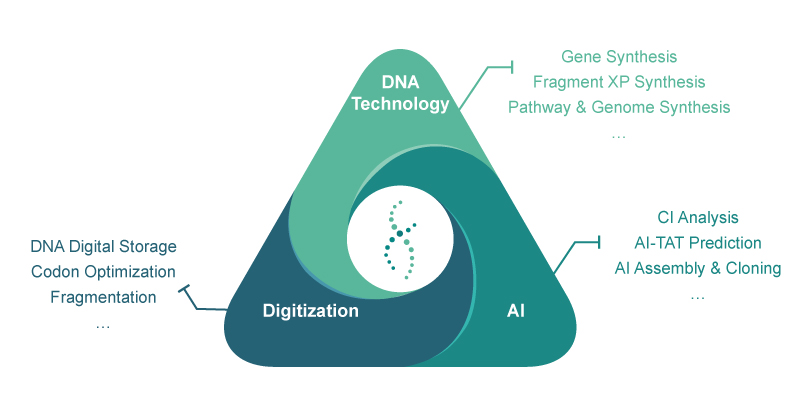
These platforms do more than store data; they standardize it. By enforcing consistent metadata formats, they allow AI tools to parse and compare sequences across borders. This standardization turns isolated datasets into a cohesive, trackable narrative of genomic progress.
Tracking personalized medicine through shared data
Personalized medicine has moved from theoretical promise to clinical reality, driven by the aggregation of genomic data. By continuously analyzing shared sequences, healthcare providers can identify subtle patterns that single-patient studies often miss, allowing for more precise therapeutic interventions.
Cancer immunotherapy matching
AI platforms now analyze tumor sequencing data against shared sequence databases to predict patient response to immunotherapies. Systems like Tempus and Flatiron Health integrate clinical and molecular data to match patients with targeted treatments. This continuous feedback loop improves the accuracy of drug recommendations, reducing trial-and-error prescribing.
Pharmacogenomic dosing
Genetic variations significantly influence how patients metabolize medications, affecting efficacy and safety. AI-driven tools analyze shared sequence data to predict individual drug responses, enabling precise dosing adjustments. Platforms like Genomind use these insights to guide psychiatrists in selecting antidepressants and antipsychotics with a higher likelihood of success. Monitoring these dosing adjustments tracks long-term patient stability and adverse event rates to further refine predictive models.
Rare disease diagnosis
For patients with rare genetic disorders, diagnosis often takes years of medical odyssey. AI algorithms compare patient whole-genome sequences against shared sequence repositories to identify pathogenic variants. Tools like Fabric GEM and DeepGestalt accelerate this process by highlighting potential matches from existing clinical data. This tracking provides a metric for how quickly new genetic insights are translated into clinical care, ultimately shortening the path to effective treatment.
Governance structures for genomic data sharing
As the velocity of genomic data increases, the need for robust ethical frameworks becomes urgent. Sharing sensitive genetic information requires more than just technical security; it demands clear governance that respects patient autonomy and community rights.
Several platforms are now integrating these ethical considerations directly into their infrastructure. For instance, the open-access digital sequence information (DSI) paradigm outlined in recent global biodiversity deals provides a template for equitable sharing. These frameworks ensure that benefits from genomic research are distributed fairly, preventing the extraction of value without consent or compensation.
By monitoring how different institutions adhere to these ethical standards, stakeholders can identify gaps in compliance and drive improvements. This transparency is essential for maintaining public trust in AI-driven genomic research.
Common questions about sequence sharing
How does the tracking mechanism work?
It aggregates data from AI synthesis tools like Benchling and IDT. By monitoring these sequences in real time, the system highlights emerging patterns in gene editing efficiency and stability.
Why share genomic sequences openly?
Open sharing accelerates discovery. When researchers contribute to a shared pool, AI models can train on larger datasets, leading to more accurate predictions for drug development and personalized medicine.
Is the shared data secure?
Security is maintained through strict access controls and anonymization protocols. While the sequence data is visible for analysis, sensitive patient information remains encrypted and protected under HIPAA guidelines.
No comments yet. Be the first to share your thoughts!