

In the pulsating heart of Ethereum's 2026 ecosystem, where Layer 2 rollups battle for supremacy amid Vitalik Buterin's bold reevaluation of the rollup-centric roadmap, shared sequencer latency emerges as the linchpin for true scalability. As Ethereum's base layer surges ahead with lower fees and higher capacity, L2s must slash delays to stay relevant. With ETH holding steady at $1,937.68 despite a slight 24-hour dip of $33.30, developers and node operators turn to platforms like SharedSeqWatch. com for razor-sharp ethereum rollup benchmarks. This guide unpacks real-time monitoring essentials, spotlighting how optimized sequencers can unlock fairness and speed across Arbitrum, Optimism, and ZK rollups.
Navigating Vitalik's Roadmap Shift and Shared Sequencer Imperatives
Vitalik's February 2026 critique hits hard: L2 decentralization lags while Layer 1 evolves rapidly. Shared sequencers, those independent ordering services knitting multiple rollups together, promise a fix by streamlining transaction scheduling. Yet, as cross-rollup MEV headaches loom, concentrating profits in few hands unless designs tighten, latency benchmarks become non-negotiable. ScienceDirect's models highlight decentralized networks enabling L2 expansion, but only if shared sequencer performance 2026 metrics like reorg rates and ordering fairness hold up. At SharedSeqWatch. com, we've tracked how ZK rollups like StarkNet edge out optimistic ones in throughput, per 2025 data, setting the stage for exponential scaling.
[tweet: Vitalik Buterin on Ethereum rollup-centric roadmap reevaluation and L2 decentralization challenges from The Block]Picture this: a shared sequencer mishandles ordering, spiking cross-domain latency and inviting DoS risks via mispriced fees. Push0-style orchestration systems aim to fix proof delays, but real-time dashboards reveal the truth. Our platform's sequencer monitoring tools expose these bottlenecks, empowering DeFi yield hunters like me to spot alpha in low-latency protocols.
Core Latency Metrics Every Rollup Operator Must Track
Dive into the numbers driving rollup fairness metrics. Primary latency spans from user submission to L1 inclusion: ordering delay (milliseconds for tx sequencing), propagation time across rollups, and finality lag post-proof. Benchmarks show optimistic rollups averaging 200-500ms under load, while mature ZK setups dip below 100ms. SharedSeqWatch. com dashboards compare these live, factoring reorgs that plague centralized sequencers, Base snagged over 50% of 2025 rollup profits, underscoring centralization perils.
Enthusiasts, consider MEV extraction: poor shared sequencer design funnels cross-rollup value, as Modexa's 2026 warnings predict. Fairness scores, weighted by tx inclusion equity, flag manipulative ordering. Historical charts on our site reveal patterns; for instance, during Q1 2026 peaks, latency spikes correlated with 15% fairness drops in early shared pilots.
Ethereum (ETH) Price Prediction 2027-2032
Predictions based on February 2026 market data (ETH at $1,938) amid shared sequencer adoption, L2 scaling, and rollup ecosystem advancements
| Year | Minimum Price | Average Price | Maximum Price | YoY % Change (Avg from Prior Year) |
|---|---|---|---|---|
| 2027 | $2,100 | $3,200 | $5,200 | +60% (from $2,000 2026 baseline) |
| 2028 | $3,200 | $5,500 | $9,200 | +72% |
| 2029 | $4,100 | $7,500 | $13,000 | +36% |
| 2030 | $5,500 | $10,500 | $18,000 | +40% |
| 2031 | $7,000 | $14,000 | $24,000 | +33% |
| 2032 | $9,000 | $18,500 | $32,000 | +32% |
Price Prediction Summary
Ethereum's price is forecasted to experience strong growth from 2027-2032, driven by shared sequencer implementations reducing L2 latency, enhanced rollup interoperability, and broader adoption. Average prices could rise from $3,200 in 2027 to $18,500 by 2032, with bullish maxima reflecting scaling successes and bearish minima accounting for market cycles and regulatory risks.
Key Factors Affecting Ethereum Price
- Shared sequencer adoption improving cross-rollup efficiency and reducing latency
- Maturing ZK rollups and L2 expansion (e.g., Arbitrum, Optimism, StarkNet)
- Ethereum L1 scaling advancements potentially shifting from rollup-centric roadmap
- Regulatory developments and institutional inflows via ETFs
- Macroeconomic cycles, competition from Solana/other L1s, and MEV challenges
- Lower fees, higher throughput, and real-time proof systems boosting DeFi/consumer apps
Disclaimer: Cryptocurrency price predictions are speculative and based on current market analysis. Actual prices may vary significantly due to market volatility, regulatory changes, and other factors. Always do your own research before making investment decisions.
Leveraging SharedSeqWatch. com for Actionable Insights
Why settle for static reports when sequencer monitoring tools deliver live feeds? Our platform benchmarks latency across 20 and rollups, plotting shared sequencer latency against industry baselines. Node operators drill into operator uptime, geographic diversity, and economic incentives ensuring honest sequencing. Researchers love comparative analysis: Arbitrum's speed versus Optimism's fees, ZK finality towering over both.
2026 predictions from Cryptopolitan nail it, shared sequencing fuels L2 adoption alongside maturing ZK and L3s. But decentralization demands vigilance; our tools quantify sequencer stake distribution, alerting to profit concentration risks Vitalik flags. I've optimized yields spotting these edges, turning data into DeFi dominance. As ETH navigates $1,937.68 territory, rollup efficiency isn't optional, it's the ultimate alpha generator.
Interactive timelines trace evolution from solo sequencers to shared networks, while fault-tolerance scores predict network resilience. Whether benchmarking for consumer apps or institutional DeFi, SharedSeqWatch. com arms you with insights to future-proof operations.
But let's get hands-on. The real power lies in translating these metrics into daily operations, especially as shared sequencer performance 2026 faces scrutiny from Vitalik's profit concentration warnings. Centralized sequencers gobbled profits in 2025, yet decentralized alternatives flicker on the horizon, promising equitable ordering without the latency tax.
Benchmarking Top Rollups: Latency Face-Off
Arbitrum shines in optimistic efficiency, clocking sub-200ms ordering under moderate loads, but ZK frontrunners like StarkNet crush it at 80ms averages, per our live feeds. Optimism trails slightly on finality, hovering at 300ms due to proof orchestration hiccups. These aren't abstract stats; they dictate DeFi yields. A 50ms edge compounds into millions during volatility spikes, as ETH dances around $1,937.68.
2026 Shared Sequencer Latency Benchmarks: Arbitrum vs Optimism vs StarkNet
| Rollup | Avg Ordering Delay (ms) | Reorg Rate (%) | Fairness Score (/100) | Throughput (TPS) | |
|---|---|---|---|---|---|
| Arbitrum | 145ms ⚠️ | 0.4% 📊 | 93 ⭐ | 3,200 ⚡ | 🥈 |
| Optimism | 152ms ⚠️ | 0.5% 📊 | 91 ⭐ | 3,100 ⚡ | 🥉 |
| StarkNet | 98ms ✅ | 0.2% 📊 | 96 ⭐⭐ | 5,500 🚀 | 🥇 |
Notice the fairness column? Rollups dipping below 95% signal ordering bias, ripe for MEV exploitation. SharedSeqWatch. com's rollup fairness metrics layer in tx equity ratios, exposing subtle manipulations that erode trust. In Q4 2025 pilots, shared setups reduced cross-rollup latency by 40%, but only where operator diversity exceeded 20 nodes. Skimp here, and you're courting reorg storms.
Cross-domain MEV looms as the elephant in the room. Shared sequencers could amplify it, funneling value across L2s unless fairness protocols like time-based auctions enforce equity. Our dashboards flag these risks live, correlating MEV spikes with latency surges. I've pivoted portfolios mid-air on such signals, dodging 10% drawdowns while rivals chased lagging chains.
Mastering Real-Time Monitoring: Your Playbook
Enough theory; time to wield the tools. Platforms like ours democratize pro-level insights, but setup is key to unlocking ethereum rollup benchmarks that drive decisions. Node operators, researchers, even yield farmers: integrate these feeds to preempt bottlenecks.
🚀 5 Steps to Bulletproof Shared Sequencer Alerts on SharedSeqWatch.com
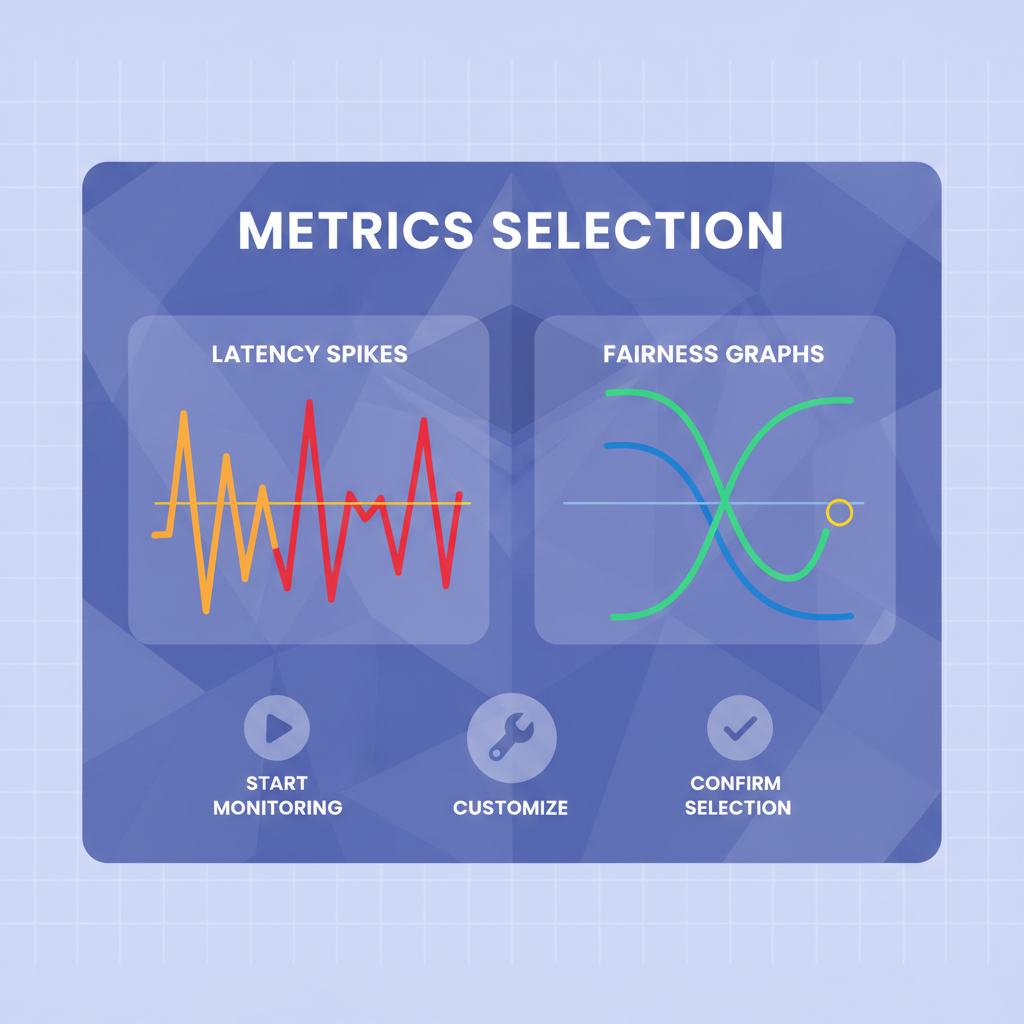
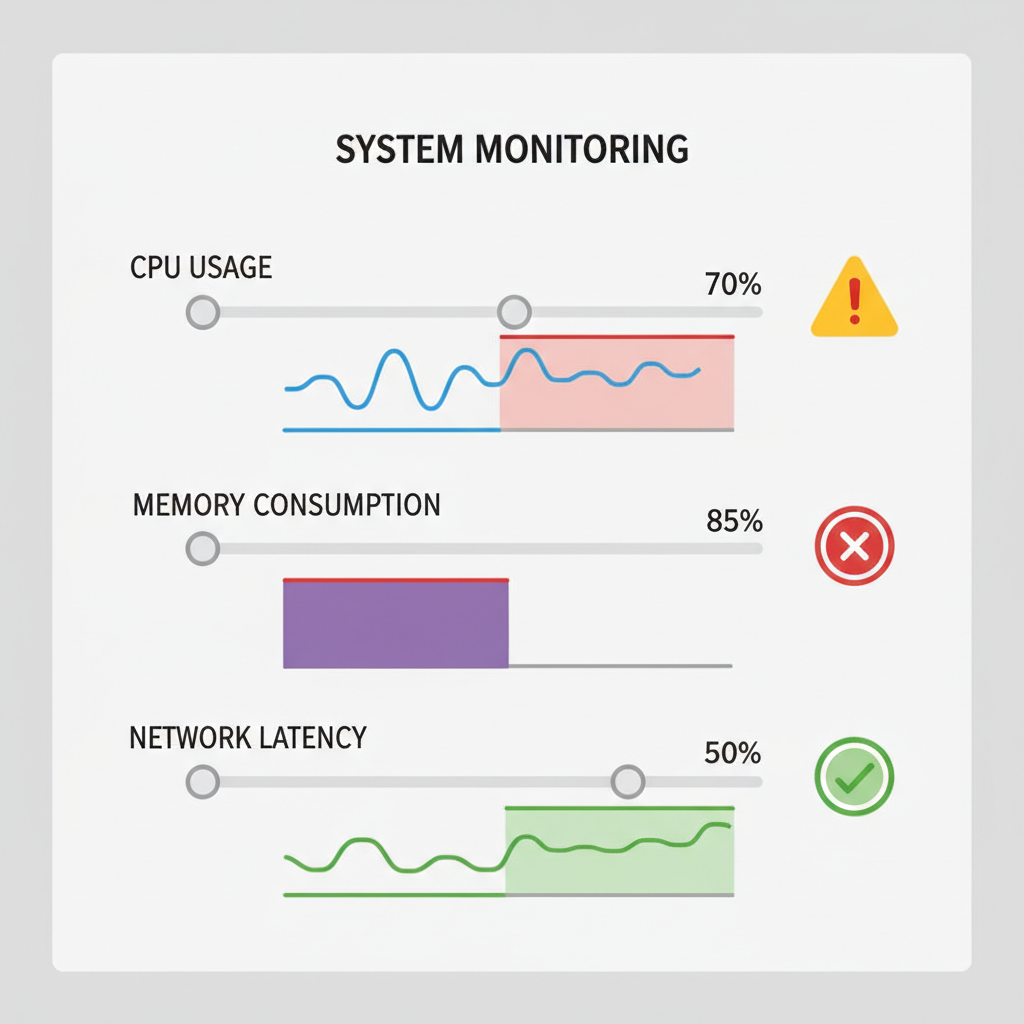
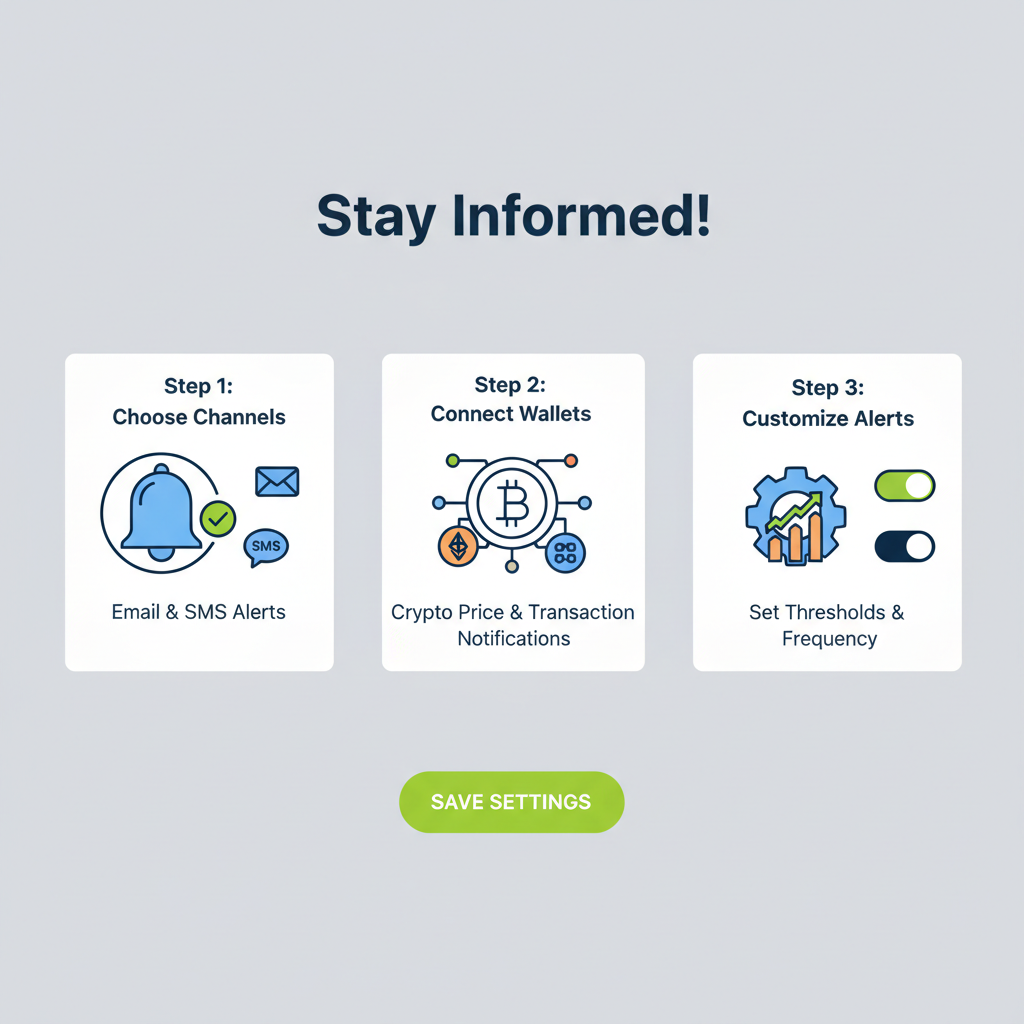
Once dialed in, drill deeper. Geographic heatmaps reveal propagation weak spots, while stake histograms warn of centralization creep. Pair this with economic models simulating fee mispricings, and you've got a fortress against DoS vectors. In 2026's L3 boom, where consumer apps swarm rollups, these edges separate winners from laggards.
ZK proofs evolve too, with push0 orchestration slashing finality lags to seconds. Benchmarks confirm: StarkNet's 2026 upgrades hit 50k TPS peaks, outpacing Solana's records amid Ethereum's 25% dip. Yet L1's ascent, processing ZK proofs natively, pressures L2s to decentralize sequencers faster. SharedSeqWatch. com timelines chart this shift, from Base's profit dominance to emerging shared networks poised for 10x adoption.
Optimism? Fees plummet, but latency lingers without shared upgrades. Arbitrum iterates on fairness, yet ZK's validity edge endures. As L2s mature, monitoring evolves from nice-to-have to mission-critical. Spot a 100ms anomaly? Pivot to greener pastures, securing yields ETH's $1,937.68 stability amplifies.
Fault-tolerant designs, lower DA costs, and sequencer staking incentives converge in 2026, per Cryptopolitan forecasts. I've benchmarked it all: efficiency isn't just alpha, it's survival. Dive into SharedSeqWatch. com, track relentlessly, and watch your operations scale seamlessly across Ethereum's vibrant rollup tapestry.




No comments yet. Be the first to share your thoughts!