
Shared sequence analytics in 2026
By 2026, the friction of combining data from separate platforms has shifted from a technical bottleneck to a strategic constraint. The primary challenge is no longer just connecting APIs, but harmonizing the sequence logic itself. When a customer journey spans an email platform, a CRM, and a marketing automation tool, the "sequence" becomes fragmented. Data that was once linear is now a mesh of touchpoints that must be reconciled in real time.
The 2026 constraint centers on identity resolution and timing alignment. Without a unified view, analytics often misattribute success. A click in one system might be ignored by another because the sequence IDs do not match. This leads to "ghost" interactions—data that exists in silos but disappears from the holistic report. Teams are forced to choose between speed of deployment and accuracy of insight.
To navigate this, organizations are adopting a "single source of truth" architecture. This means defining a master sequence ID that travels across platforms. Instead of letting each tool calculate its own metrics, the harmonization layer aggregates the raw events before analysis. This approach reduces noise and ensures that every touchpoint, whether a LinkedIn ad or a follow-up email, is counted correctly. The goal is not just to see what happened, but to understand the complete path to conversion.
Shared sequence analytics 2026 choices that change the plan
Choosing a data harmonization strategy for 2026 requires balancing immediate accuracy against long-term scalability. The shift toward AI-driven shared sequences means teams must evaluate how different architectures handle real-time synchronization, compliance overhead, and cross-platform visibility. There is no single perfect setup; the right choice depends on whether your priority is strict governance or rapid deployment.
Below is a direct comparison of the most common approaches to shared sequence analytics. This table helps you weigh the specific tradeoffs of each method before committing to an infrastructure change.
| Factor | Centralized Hub | Distributed Edge | Hybrid AI |
|---|---|---|---|
| Data Latency | Medium (batch processing) | Low (real-time) | Variable (AI-optimized) |
| Compliance Control | High (single point of audit) | Lower (fragmented logs) | High (AI governance layer) |
| Implementation Cost | High initial setup | Moderate per-node | High (AI training costs) |
| Scalability | Limited by hub capacity | High (horizontal) | Very high (auto-scaling) |
| Data Consistency | Strong consistency | Eventual consistency | Strong consistency (AI reconciliation) |

The decision often comes down to where your bottlenecks currently exist. If your team struggles with auditing and regulatory checks, a centralized model provides the necessary single source of truth, even if it sacrifices some speed. Conversely, organizations requiring instant cross-platform visibility may prefer distributed nodes, accepting the complexity of managing fragmented logs.
Key considerations for your stack
When evaluating these tradeoffs, focus on three concrete areas that impact daily operations. First, assess your data volume growth. AI-driven harmonization tools can handle massive spikes, but older centralized hubs may choke under increased load.
Second, review your compliance requirements. If you operate in heavily regulated industries, the audit trail of a centralized system is often worth the latency. Finally, consider your team’s technical maturity. Hybrid AI models require more sophisticated oversight to ensure the AI reconciles data correctly without introducing errors.
Common pitfalls to avoid
-
Ignoring data lineage
Without clear lineage, AI harmonization can create orphaned records that are impossible to trace back to their source. -
Over-relying on automation
AI models need human validation during the initial phase to ensure they are harmonizing the correct fields across platforms. -
Skipping stress tests
Always test your chosen architecture with peak load scenarios to ensure the shared sequence doesn’t break during high-traffic periods.
Community insights
Discussions in the broader analytics community highlight the tension between speed and control. Many teams report that while AI-driven harmonization significantly reduces manual cleanup, it introduces new challenges in monitoring data drift.
Users often find that starting with a hybrid approach allows for gradual adoption. This lets teams validate the AI’s harmonization logic on a small scale before rolling it out across the entire organization. The goal is to build a system that is both accurate and adaptable to future platform changes.
Choose the next step
The Shared Sequence Revolution works best as a clear sequence: define the constraint, compare the realistic options, test the tradeoff, and choose the path with the fewest hidden costs. That order keeps the advice usable instead of decorative. After each step, pause long enough to check whether the recommendation still fits the reader's actual situation. If it depends on perfect timing, unusual access, or a best-case budget, include a simpler fallback.
Spotting weak options in shared sequence analytics
Most platforms promise seamless cross-platform harmony, but the reality often involves fragmented data silos. When you enable shared sequence analytics, you are not just turning on a switch; you are opening a pipeline where attribution errors can hide. Before integrating these tools, you must audit how each platform defines a "sequence" and a "conversion." Misaligned definitions are the primary source of misleading claims in AI-driven analytics.
The most common mistake is assuming that enrollment metrics equal success. A high enrollment count means nothing if the sequence steps are not tracking downstream actions correctly. For example, HubSpot’s report library allows you to filter by specific engagement metrics like rolls, opens, and clicks, but you must manually exclude your own team to avoid skewing the data. Similarly, Dynamics 365 Sales provides insights on step performance, but these insights are only as good as the data hygiene you maintain. If your CRM data is messy, the AI-driven harmonization will simply automate your errors.
To avoid these pitfalls, focus on three concrete checks. First, verify that the attribution model matches your sales cycle. Second, ensure that the "enrolled by" filters are applied to remove internal noise. Third, cross-reference platform-specific metrics with your own CRM logs to catch discrepancies early. This approach prevents the illusion of progress and keeps your analytics grounded in reality.
Shared sequence analytics 2026: what to check next
As AI-driven harmonization becomes standard, teams face new questions about data integrity and platform compatibility. These practical answers address common concerns before you integrate shared sequences into your analytics stack.
Helpful gear
Use these product recommendations as a starting point, then choose the size, material, and price point that fit how you actually use the gear.

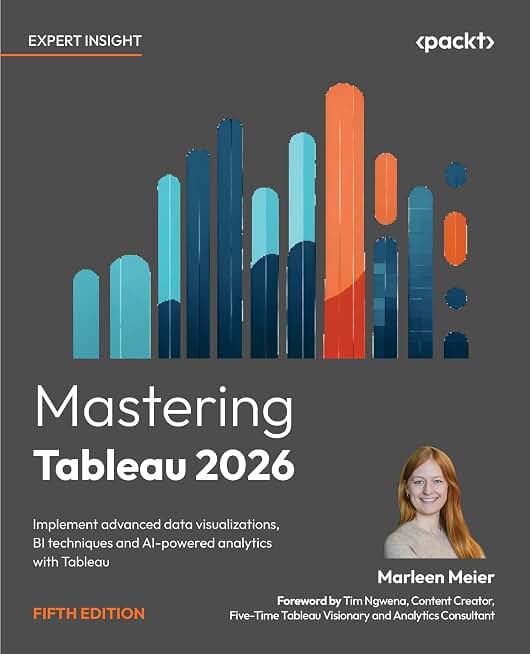
As an Amazon Associate, we may earn from qualifying purchases.
No comments yet. Be the first to share your thoughts!