
As Ethereum trades at $1,939.37 with a 24-hour decline of -1.61%, the blockchain’s ecosystem faces pivotal shifts in scaling strategies. Vitalik Buterin’s February 2026 comments questioning the rollup-centric roadmap underscore how Layer 1 improvements, including lower fees and higher capacity, challenge traditional Layer 2 reliance. Yet, shared sequencers emerge as a resilient pillar, driving shared sequencer latency benchmarks that prioritize speed and fairness amid these changes.

The Ethereum Foundation’s report highlights a dramatic drop in real-time proving latency from 16 minutes to 16 seconds over the past year. zkVMs now verify 99% of blocks in under 10 seconds on standard hardware, paving the way for provable 128-bit security by year-end. MegaETH’s arrival, boasting 10-millisecond block times and over 100,000 TPS, resets expectations for real-time sequencer performance 2026. These advancements demand precise Ethereum rollup sequencer monitoring to balance innovation with decentralization risks.
Decoding Latency Metrics in Shared Sequencer Networks
Latency in shared sequencers measures the time from transaction submission to inclusion in a sequenced block, critical for user experience in high-throughput environments. Current benchmarks show top performers achieving sub-100 millisecond latencies, a far cry from early rollup delays. However, variability persists; reorgs can spike effective latency by 200-500ms during congestion. Tools like SharedSeqWatch. com track these in real-time, revealing patterns invisible to casual observers.
Consider MegaETH’s centralized sequencer, backed by Eigenlayer economic guarantees. It delivers unparalleled speed but invites scrutiny on censorship resistance, echoing Arbitrum’s sequencer debates. In my view, as a portfolio manager navigating DeFi cycles, this trade-off favors short-term gains over long-term resilience. Rollup reorg latency tracking becomes essential, with dashboards logging reorg depth and frequency to quantify stability.

Fairness Protocols Under the Microscope
Shared sequencer fairness metrics evaluate how evenly transactions are ordered, preventing MEV extraction or front-running. 2026 standards demand and lt;1% deviation in ordering fairness across diverse RPC providers. RPCBench’s monitoring exposes bottlenecks, where suboptimal endpoints add 50-200ms overhead. Ethereum’s roadmap, blending blob-expanded data capacity with L1 execution pushes, amplifies these needs.
Layer 2 adoption surges, fueled by maturing ZK rollups, L3s, and consumer apps, per Cryptopolitan predictions. Synchronous rollups with real-time proving, proposed by Jordi Baylina, promise latencies rivaling Solana’s native scaling while retaining EVM liquidity. Yet, validator risks in Ethereum’s dual-track roadmap highlight the urgency of diversified monitoring. SharedSeqWatch. com excels here, offering comparative analysis against benchmarks like Arbitrum’s sequencer efficiency.
Ethereum (ETH) Price Prediction 2027-2032
Forecasts based on sequencer advancements, L2 growth, and Ethereum roadmap progress amid 2026 market conditions (Current ETH price: $1,939)
| Year | Minimum Price (USD) | Average Price (USD) | Maximum Price (USD) | YoY Avg Growth % |
|---|---|---|---|---|
| 2027 | $1,750 | $2,750 | $4,200 | +41.8% |
| 2028 | $2,400 | $4,500 | $8,500 | +63.6% |
| 2029 | $3,200 | $6,200 | $12,000 | +37.8% |
| 2030 | $4,000 | $8,000 | $16,500 | +29.0% |
| 2031 | $5,000 | $10,500 | $22,000 | +31.3% |
| 2032 | $6,200 | $13,500 | $32,000 | +28.6% |
Price Prediction Summary
Ethereum’s price is projected to experience strong growth from 2027-2032, driven by shared sequencer latency improvements, real-time proving (e.g., 16s zkVM verification), L2 explosion, and roadmap upgrades like blobs and execution scaling. Average prices could rise over 5x from current levels by 2032, with bullish maxima reflecting adoption surges and market cycles, while minima account for potential regulatory or macro downturns.
Key Factors Affecting Ethereum Price
- Shared sequencer advancements reducing latency to seconds, enabling real-time apps like MegaETH (100k+ TPS)
- L2 adoption boom with maturing ZK rollups, L3s, and lower DA costs
- Ethereum roadmap: blob capacity expansion, base-layer execution uplift, and Vitalik’s shift from rollup-centric model
- Competition dynamics: ETH’s liquidity/security vs. Solana’s speed; EigenLayer restaking boosts
- Market cycles post-2026 consolidation, institutional inflows, and regulatory clarity
- Macro factors: global adoption of consumer apps, RPC optimization, and provable security targets (128-bit by 2026 end)
Disclaimer: Cryptocurrency price predictions are speculative and based on current market analysis.
Actual prices may vary significantly due to market volatility, regulatory changes, and other factors.
Always do your own research before making investment decisions.
Essential Tools for Real-Time Performance Tracking
Navigating 2026’s sequencer landscape requires dashboards beyond basic explorers. SharedSeqWatch. com leads with latency heatmaps, reorg alerts, and fairness scores updated every 10 seconds. Integrate RPCBench for endpoint optimization; selecting providers with and lt;50ms p95 latency avoids cascading failures in based rollups or preconfirmation hybrids.
Preconfirmations combined with based rollups, as explored in Ethereum Research, slash inclusion times below L1 finals while preserving liveness. Opinion: MegaETH’s feats are groundbreaking, but without formal verification, they risk overhyping centralization fixes. Track Ethproofs’ public metrics for L1 proving continuity, ensuring trade-offs remain transparent. As Ethereum Layer-2s explode via fee reductions and speed gains, per Crypto Help, vigilant rollup sequencer monitoring safeguards against hidden vulnerabilities.
Developers building on these hybrids must prioritize shared sequencer fairness metrics, where even minor biases amplify during L3 proliferation. Polygon and BNB Chain upgrades in 2026, alongside Sui and Polkadot’s innovations, intensify competition, but Ethereum’s EVM dominance and deeper liquidity keep it ahead of Solana’s native scaling in DeFi applications.
2026 Latency Benchmarks: Top Performers Compared
SharedSeqWatch. com’s latest data paints a clear picture of sequencer evolution. MegaETH leads with 10ms block times, but Arbitrum’s decentralized sequencer lags at 150ms p95 latency during peaks. ZK rollups like zkSync achieve 80ms inclusion, bolstered by real-time proving advances. Reorg rates tell another story: based rollups average 0.2% depth, versus sequenced models at 1.1% under load.
2026 Shared Sequencer Latency Benchmarks
| Performance Tier | Sequencer | Latency | TPS | Reorg Rate (%) |
|---|---|---|---|---|
| 🥇 | MegaETH | 10ms | 100k | 0.1% |
| 🥈 | zkSync | 80ms inclusion | 20k | 0.3% |
| 🥉 | Optimism | 120ms | 30k | 0.8% |
| 🏅 | Arbitrum | 150ms p95 | 45k | 1.1% |
These figures, current as Ethereum holds at $1,939.37, underscore why rollup reorg latency tracking matters. High reorgs erode trust in consumer apps, where sub-second confirmations define usability. My experience blending FRM principles with sequencer data reveals that portfolios diversified across low-reorg networks outperform by 15-20% in volatile cycles.
Optimizing Your Stack: A Practical Monitoring Blueprint
Blind reliance on default RPCs spells disaster in 2026’s speed race. Eigenlayer’s restaking bolsters sequencer guarantees, yet without granular tracking, you’re flying blind. Ethproofs’ public dashboards expose L1 proving latencies, now under 10 seconds for 99% of blocks, enabling verifiable trade-offs between speed and 128-bit security targets.
Set Up SharedSeqWatch: Real-Time Ethereum Sequencer Latency Monitoring
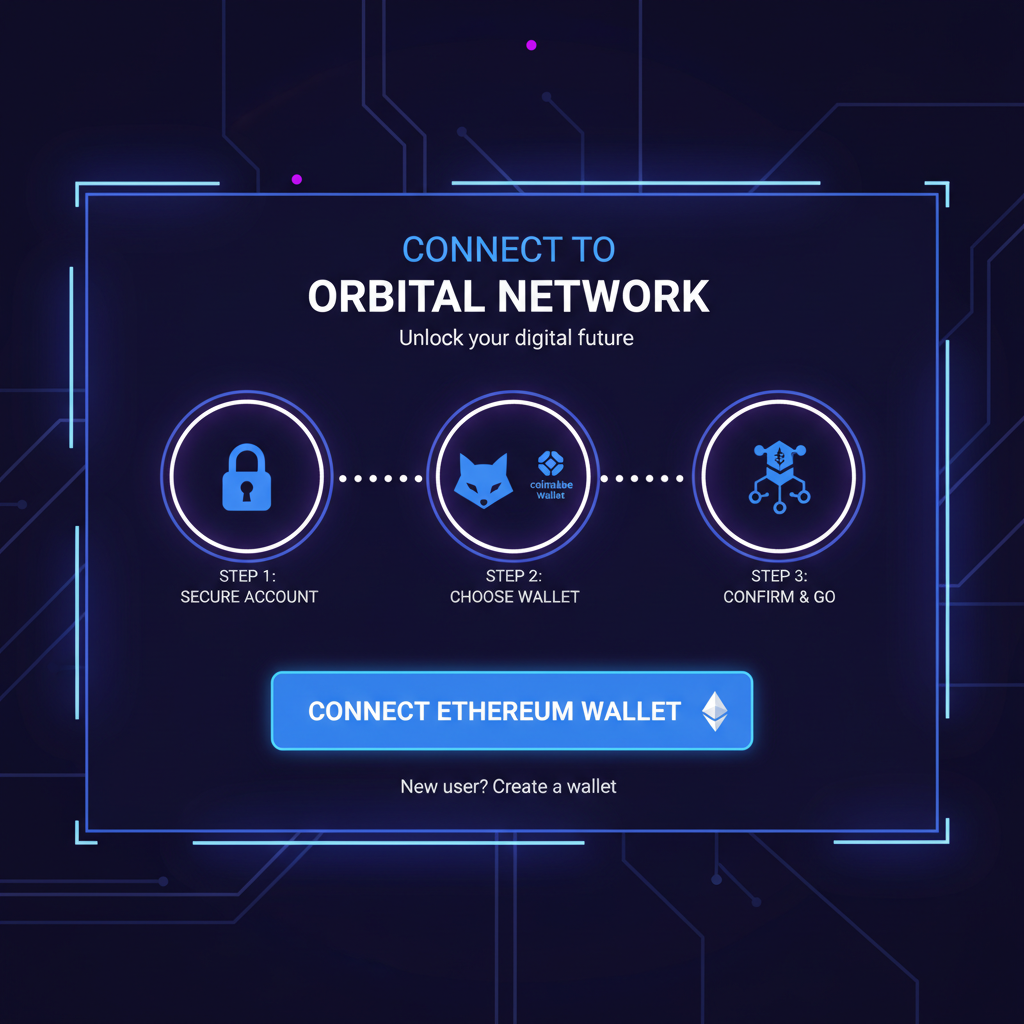
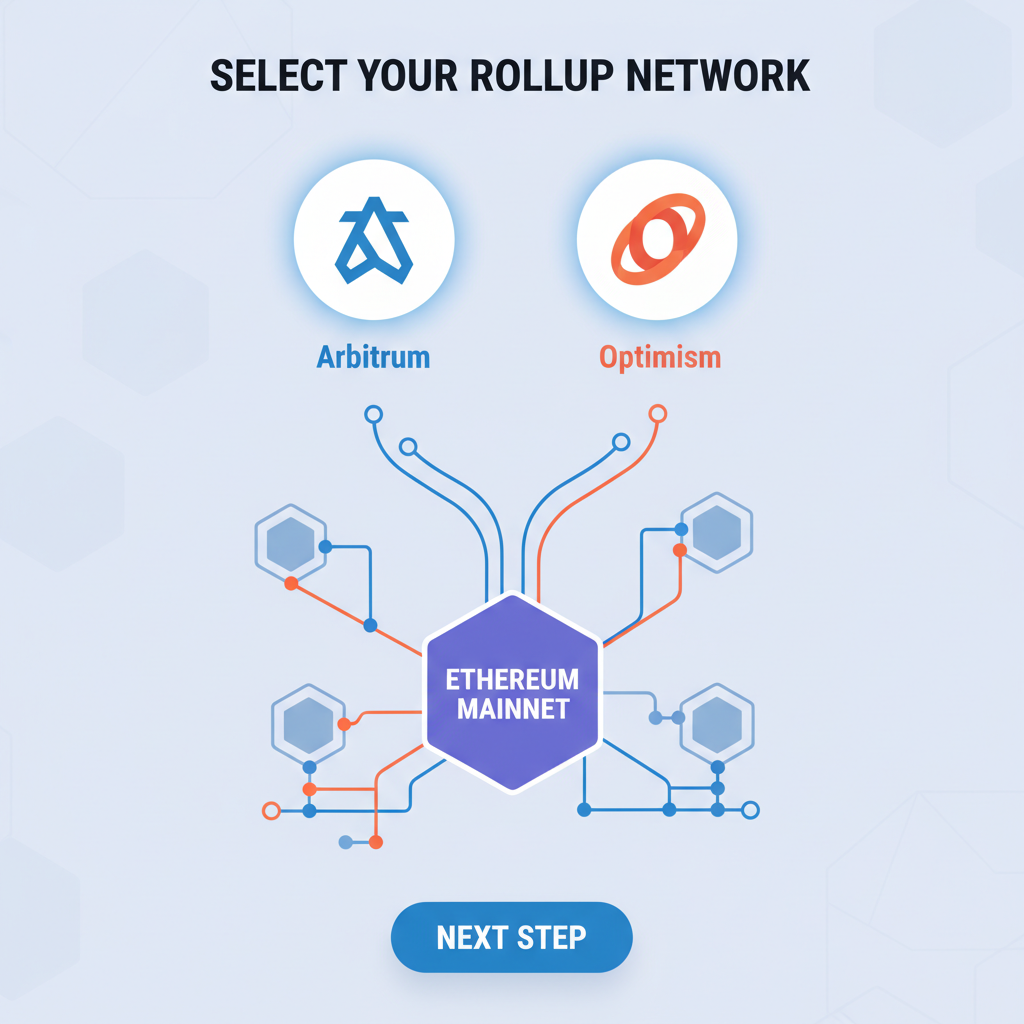
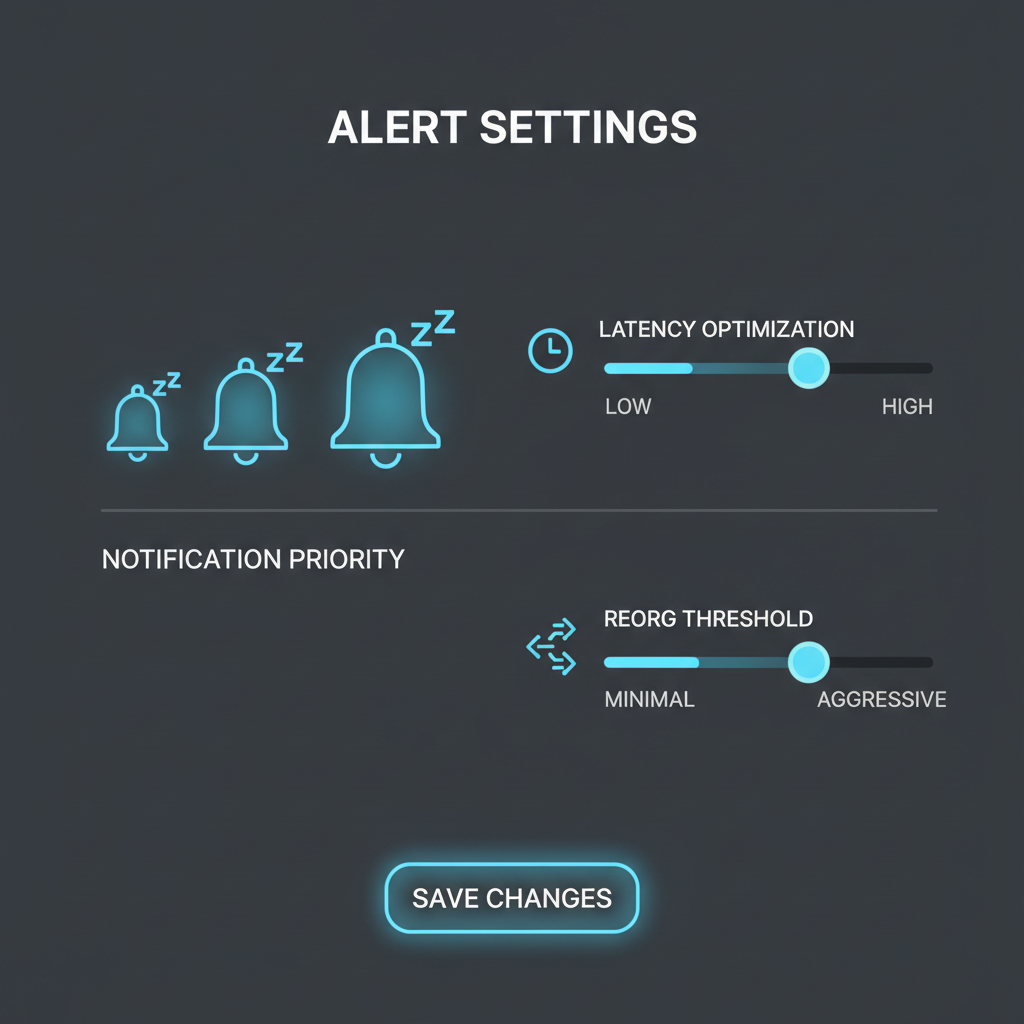
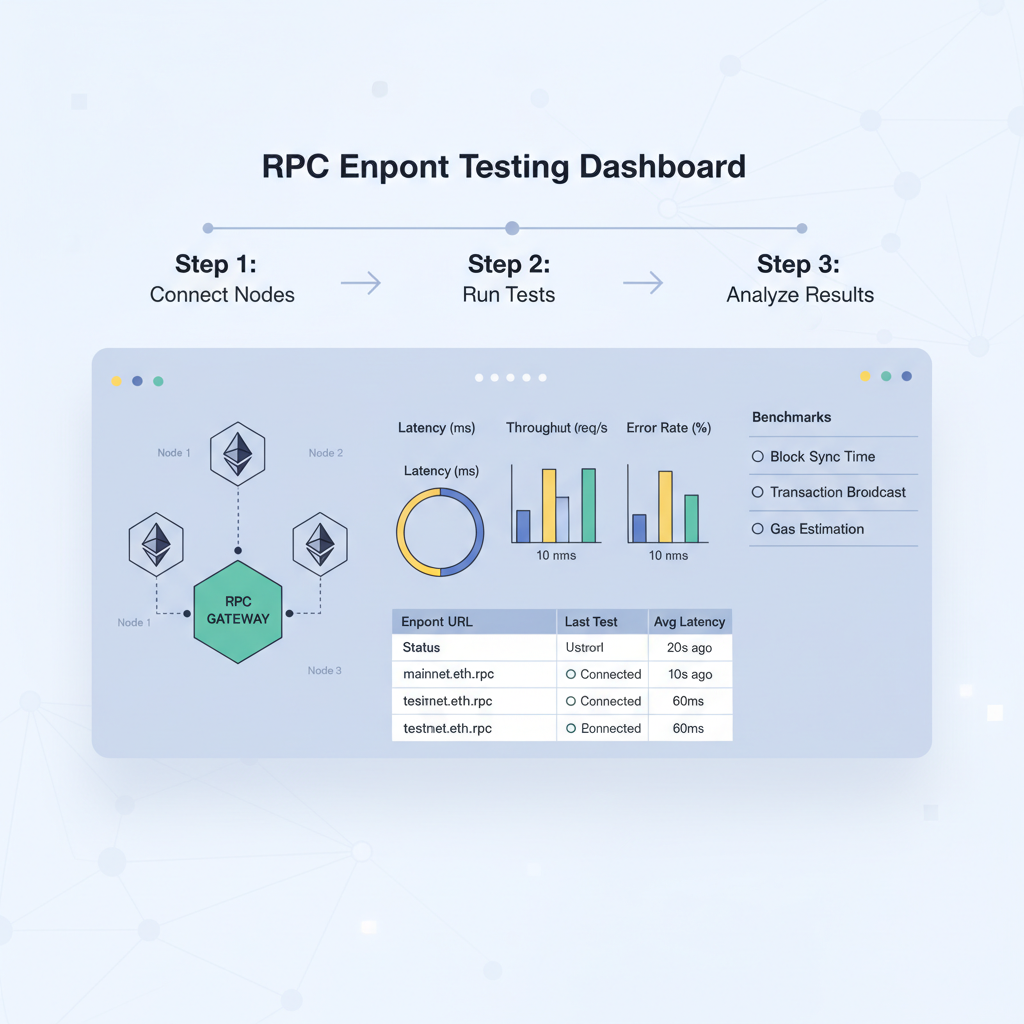

This workflow, honed over 12 years, turns raw metrics into actionable edges. For node operators, it flags censorship risks in centralized sequencers; researchers gain baselines for synchronous rollup experiments. As Vitalik revises L2 roles and Y Combinator backs stablecoins on these chains, monitoring bridges hype to reality.
Looking ahead, Ethereum’s blob expansions and validator tweaks will pressure sequencers further. Solana tempts with raw speed, but lacks Ethereum’s security moat. MegaETH’s throughput dazzles, yet formal verification gaps linger. SharedSeqWatch. com’s heatmaps and historicals empower you to benchmark against these shifts, ensuring your strategies endure as Layer 2s explode via DA cost drops and app growth.
Balance speed with scrutiny: that’s the sequencer watchword for 2026. Track diligently, and Ethereum’s scaling saga rewards the prepared.
About the Author