
In the evolving landscape of Ethereum Layer 2 solutions, shared sequencer latency has emerged as a pivotal factor determining the success of rollups. As Arbitrum, Optimism, and emerging ZK rollups compete for dominance, coordinating transaction ordering through shared sequencers promises reduced cross-rollup delays and smoother interoperability. Yet, without rigorous ethereum rollups benchmarks, operators risk overlooking bottlenecks that undermine scalability. This guide dives into real-time monitoring strategies, drawing from recent analyses like Galaxy’s decentralization tracking and Arbitrum’s Nitro stack details.

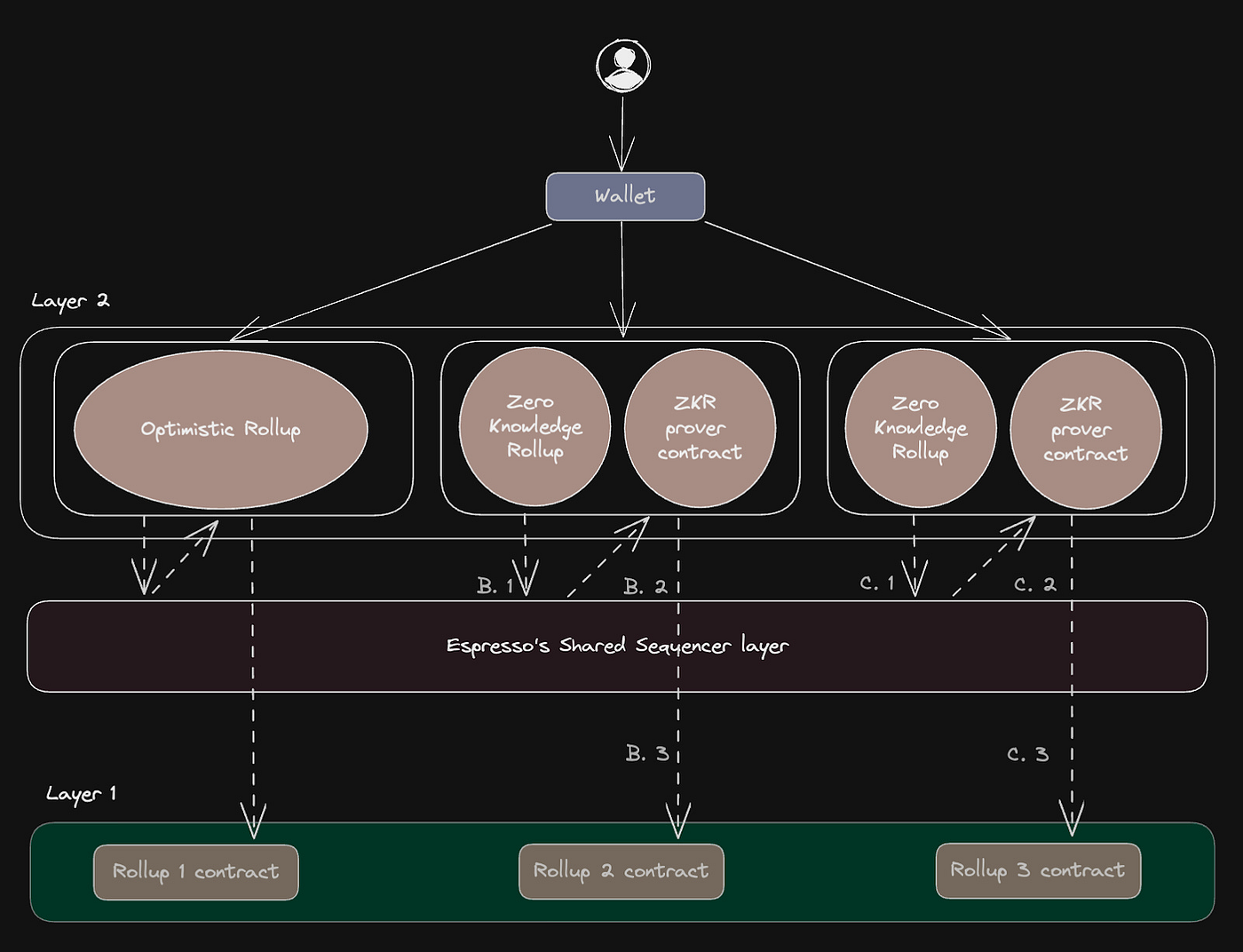
Shared sequencers centralize the responsibility of transaction batching and ordering across multiple rollups, a shift from the siloed models that plague current optimistic and ZK setups. By pooling resources, they cut down on redundant infrastructure, potentially slashing latency from seconds to milliseconds in cross-chain interactions. Studies from Arbitrum Research highlight economic efficiencies here, noting how this model influences arbitrage behaviors without compromising decentralization. However, as Zeeve points out, maintaining security amid this consolidation demands vigilant oversight of performance metrics.
Dissecting Latency in Shared Sequencer Operations
At its core, shared sequencer latency measures the time from transaction submission to inclusion in a shared batch, broadcast to rollups, and eventual finality on Ethereum mainnet. In optimistic rollups like Arbitrum and Optimism, which hold over 65% of L2 TVL as per ScienceDirect data, high latency manifests as delayed MEV extraction or stalled DeFi trades. ZK rollups, with their proof generation overhead, amplify this issue, making benchmarks essential for fair comparisons.
Real-world variances arise from network congestion, sequencer uptime, and gossip protocol efficiency. For instance, Arbitrum Nitro’s sequencer handles ordering before batch posting, but in a shared model, this extends to multi-rollup coordination. Monitoring tools reveal that average latencies hover below 100ms in optimal conditions, yet spikes during peak hours expose vulnerabilities. My experience managing diversified L2 portfolios underscores the need for sub-50ms targets to future-proof against 2026’s anticipated throughput demands.
Essential Rollup Latency Metrics for Benchmarking
To benchmark effectively, focus on rollup latency metrics like inclusion time, propagation delay, and reorg frequency. Inclusion time tracks how swiftly a tx hits the sequencer’s mempool and gets ordered; propagation gauges broadcast speed across rollup nodes. Reorgs, though rarer in shared setups, signal fairness lapses if searchers dominate ordering.
These metrics, when tracked historically, expose trends. Optimism’s OP Stack, for example, benefits from shared sequencing economics that curb bidder centralization, per Arbitrum Research. Yet, Across Protocol’s comparison reveals Arbitrum edging out in speed during high-load scenarios, a nuance lost without granular data. Developers and node operators should prioritize tools visualizing these alongside throughput and finality times for holistic ethereum l2 performance views.
Leveraging Sequencer Monitoring Tools for Actionable Insights
Sequencer monitoring tools like SharedSeqWatch. com stand out by aggregating real-time data on latency, fairness, and reorgs across ecosystems. Blocknative’s mempool trackers complement this with granular tx flow visuals, while EigenLayer dashboards monitor operator health in AVS contexts. Integrating these reveals patterns, such as latency correlations with Ethereum gas prices, empowering proactive adjustments.
In practice, dashboards on SharedSeqWatch. com offer comparative analysis, benchmarking your rollup against peers. For portfolio managers like myself, this informs allocation decisions; a sequencer consistently under 200ms latency signals reliability amid decentralization pushes tracked by Galaxy reports. As shared models mature, expect these tools to incorporate predictive analytics, forecasting bottlenecks from historical variances.
Ethereum Technical Analysis Chart
Analysis by Market Analyst | Symbol: BINANCE:ETHUSDT | Interval: 1D | Drawings: 6
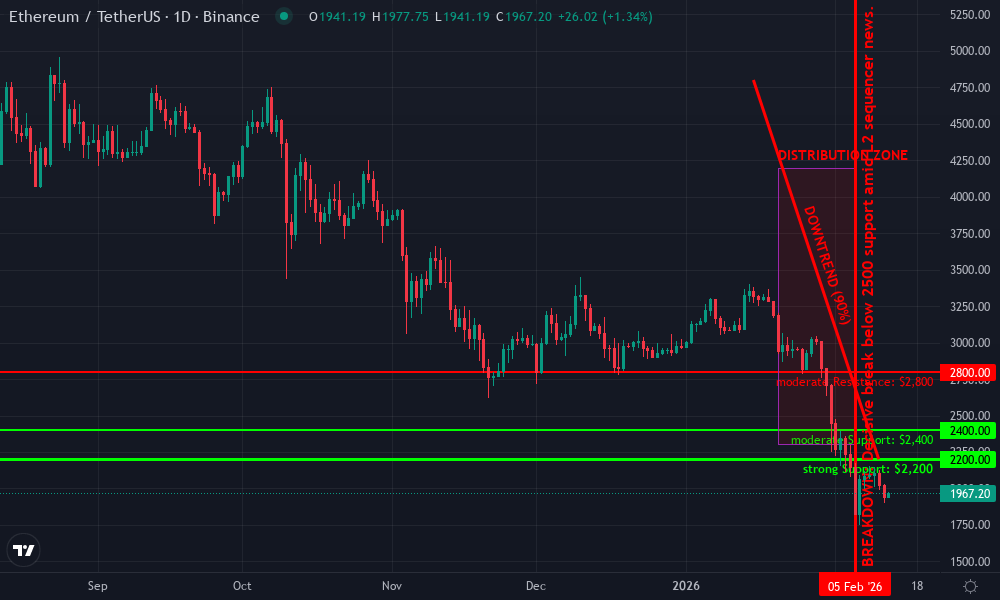
Technical Analysis Summary
To annotate this ETHUSDT chart in my balanced technical style: Draw a primary downtrend line from the swing high at 2026-01-15 around $4,800 to the recent low at 2026-02-10 around $2,200, using ‘trend_line’ with red color. Add horizontal support at $2,200 (strong) and resistance at $2,800 (moderate) with ‘horizontal_line’. Mark consolidation rectangle from 2026-02-01 to 2026-02-12 between $2,400-$2,600 using ‘rectangle’. Place arrow markers for MACD bearish signal around 2026-01-25 and volume climax down on 2026-02-05. Fib retracement from high to low for potential bounce levels. Entry zone callout at $2,400 long with medium risk, stop loss at $2,200, target $2,800. Use text for insights like ‘Bearish momentum easing, watch for reversal’. Vertical line at 2026-02-12 for current analysis point.
Risk Assessment: medium
Analysis: Clear downtrend but signs of exhaustion at support; medium tolerance suits waiting for confirmation amid 2026 volatility.
Market Analyst’s Recommendation: Consider medium-risk long entries on support hold, target resistance; avoid if breaks lower.
Key Support & Resistance Levels
📈 Support Levels:
-
$2,200 – Strong demand zone tested multiple times in Feb 2026, aligns with prior lows.
strong -
$2,400 – Intermediate support from recent consolidation base.
moderate
📉 Resistance Levels:
-
$2,800 – Recent swing high resistance, previous breakdown point.
moderate -
$3,500 – Major resistance from Jan downtrend origin.
weak
Trading Zones (medium risk tolerance)
🎯 Entry Zones:
-
$2,400 – Bounce from support with volume pickup, medium risk aligned to tolerance.
medium risk
🚪 Exit Zones:
-
$2,200 – Invalidation below key support.
🛡️ stop loss -
$2,800 – First profit target at resistance.
💰 profit target
Technical Indicators Analysis
📊 Volume Analysis:
Pattern: decreasing on downside
Volume climax on Feb drop but tapering, suggesting weakening sellers.
📈 MACD Analysis:
Signal: bearish but diverging
MACD histogram contracting with price lows, potential bullish divergence.
Applied TradingView Drawing Utilities
This chart analysis utilizes the following professional drawing tools:
Disclaimer: This technical analysis by Market Analyst is for educational purposes only and should not be considered as financial advice.
Trading involves risk, and you should always do your own research before making investment decisions.
Past performance does not guarantee future results. The analysis reflects the author’s personal methodology and risk tolerance (medium).
Trends in that chart underscore a sobering reality: while Arbitrum maintains steadier latency bands, Optimism’s spikes during congestion reveal the raw edge of optimistic rollups in shared environments. ZK rollups trail slightly, their proof latencies adding friction, but all converge toward sub-100ms ideals as protocols mature. For node operators, these visuals aren’t just data; they’re early warnings for reorg risks or fairness drifts.
Step-by-Step Setup for Real-Time Sequencer Monitoring
Getting started with sequencer monitoring tools requires a structured approach, blending SharedSeqWatch. com’s dashboards with native rollup explorers. This hands-on process turns raw metrics into strategic edges, especially for spotting rollup latency metrics that correlate with TVL shifts or MEV flows. I’ve refined this workflow over years of L2 portfolio tuning, prioritizing tools that scale with 2026’s multi-chain demands.
Monitor Shared Sequencer Latency in Real-Time: SharedSeqWatch + Blocknative & EigenLayer Integration
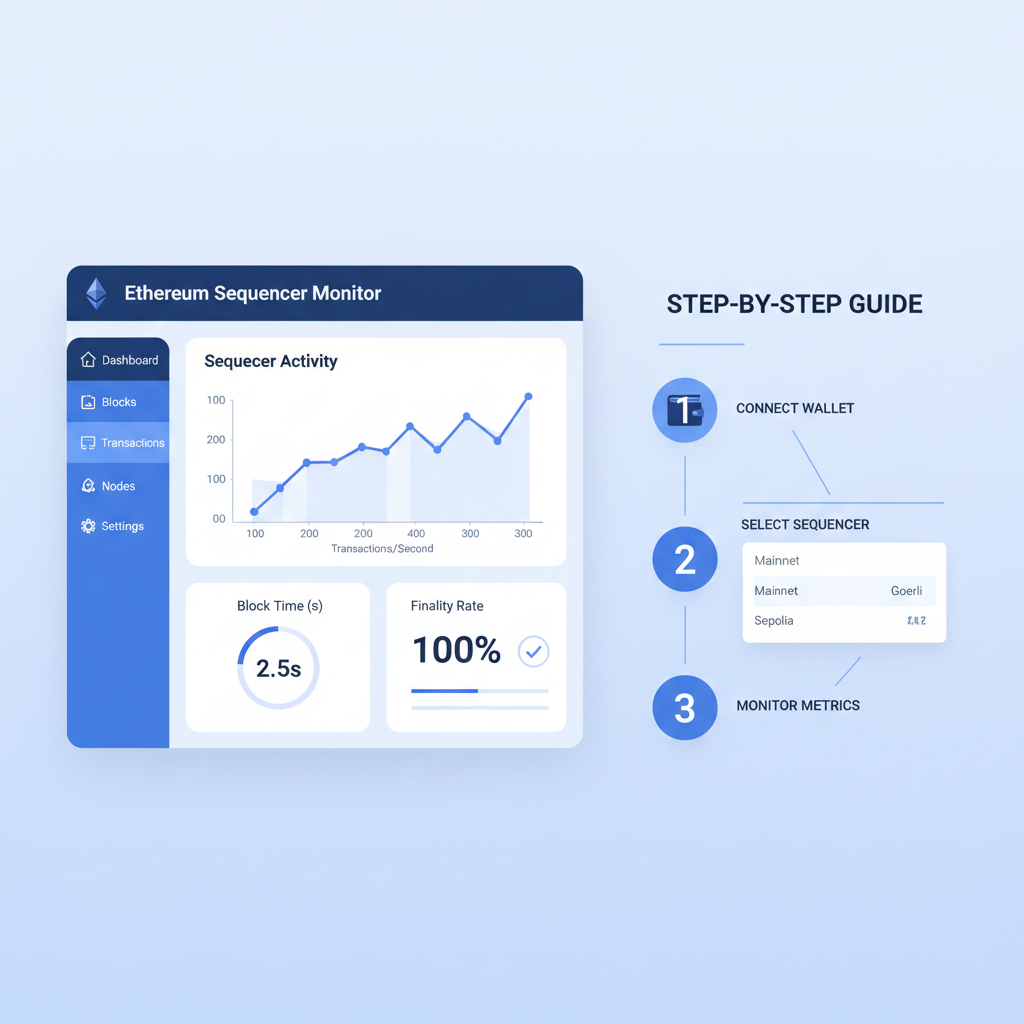
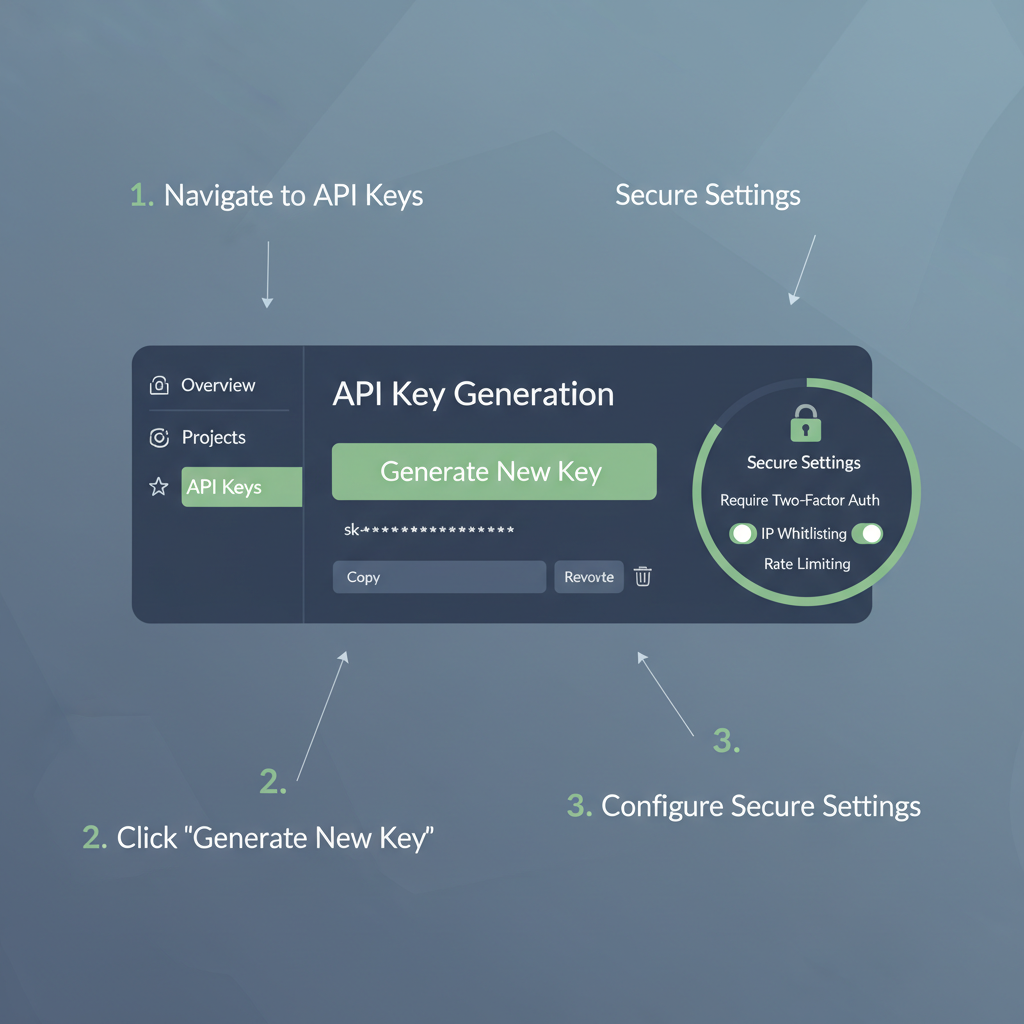
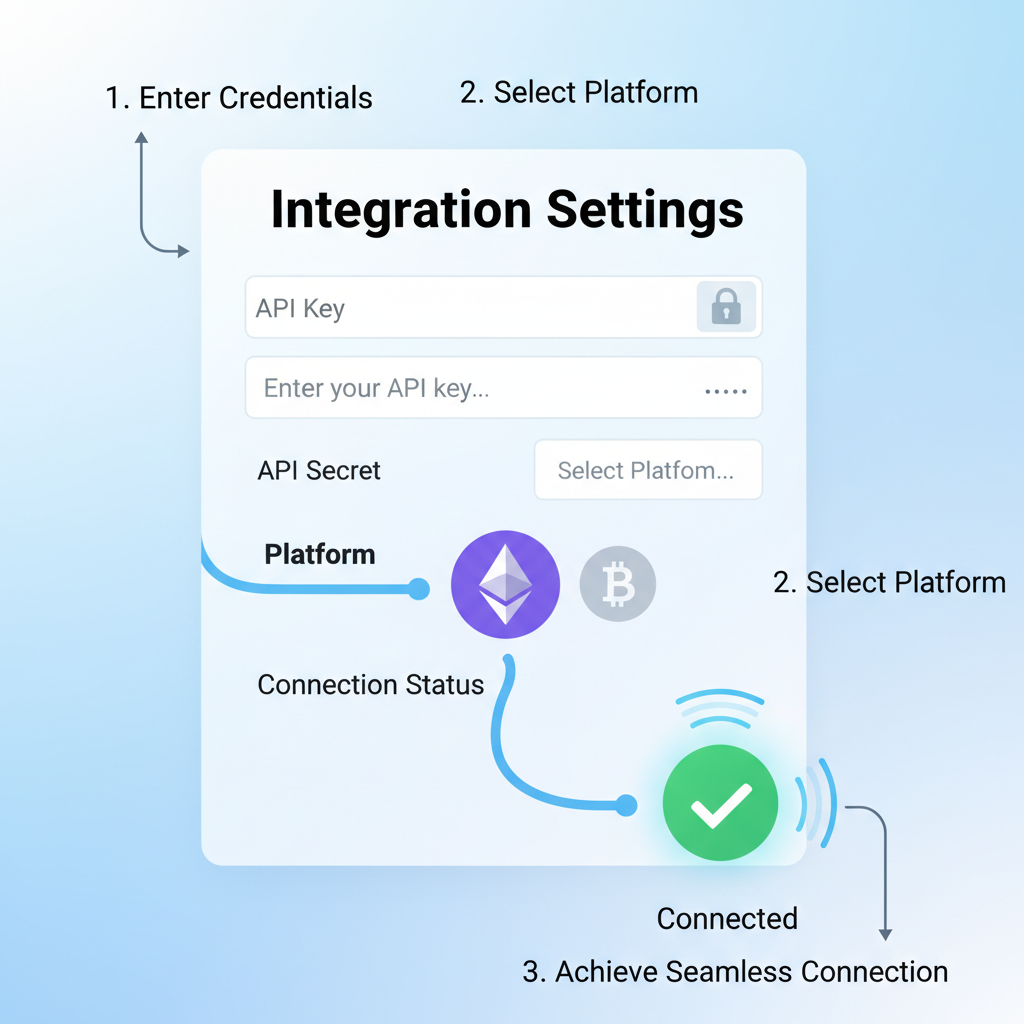
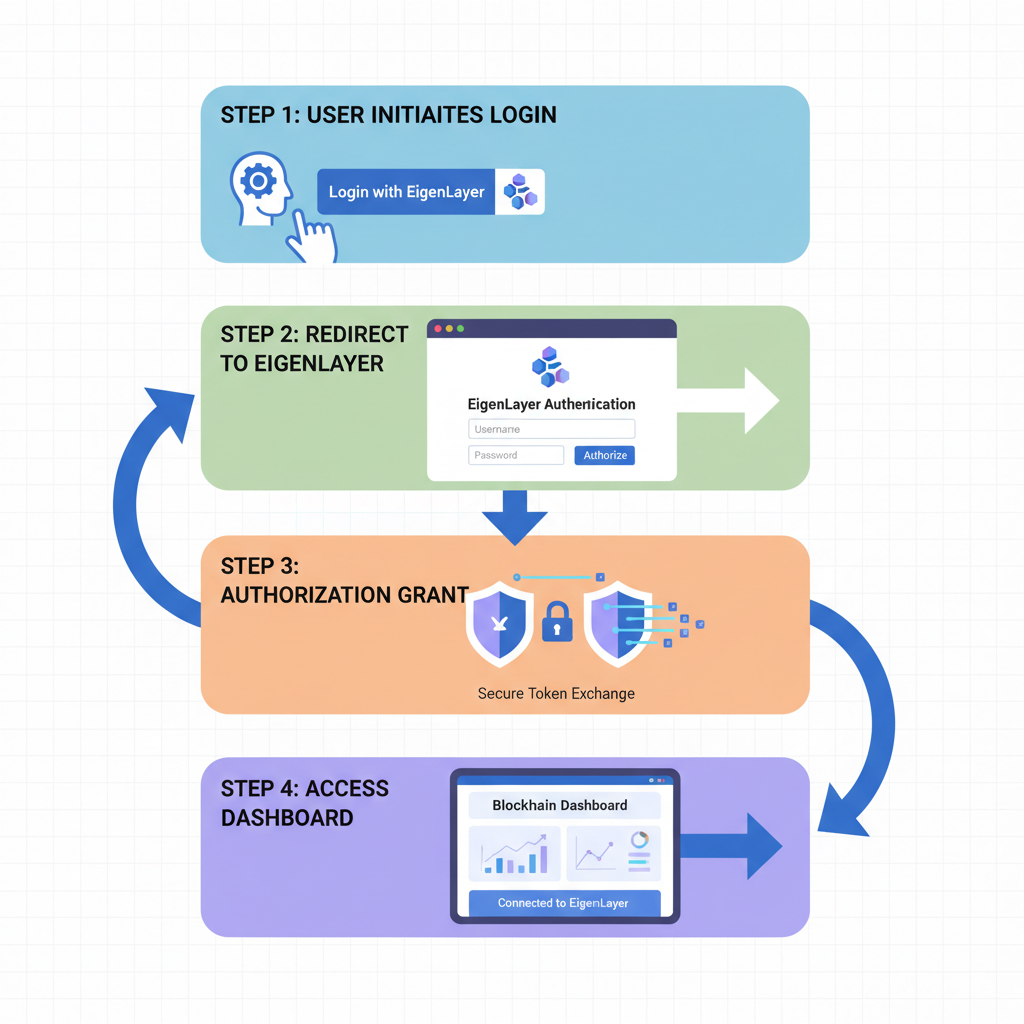
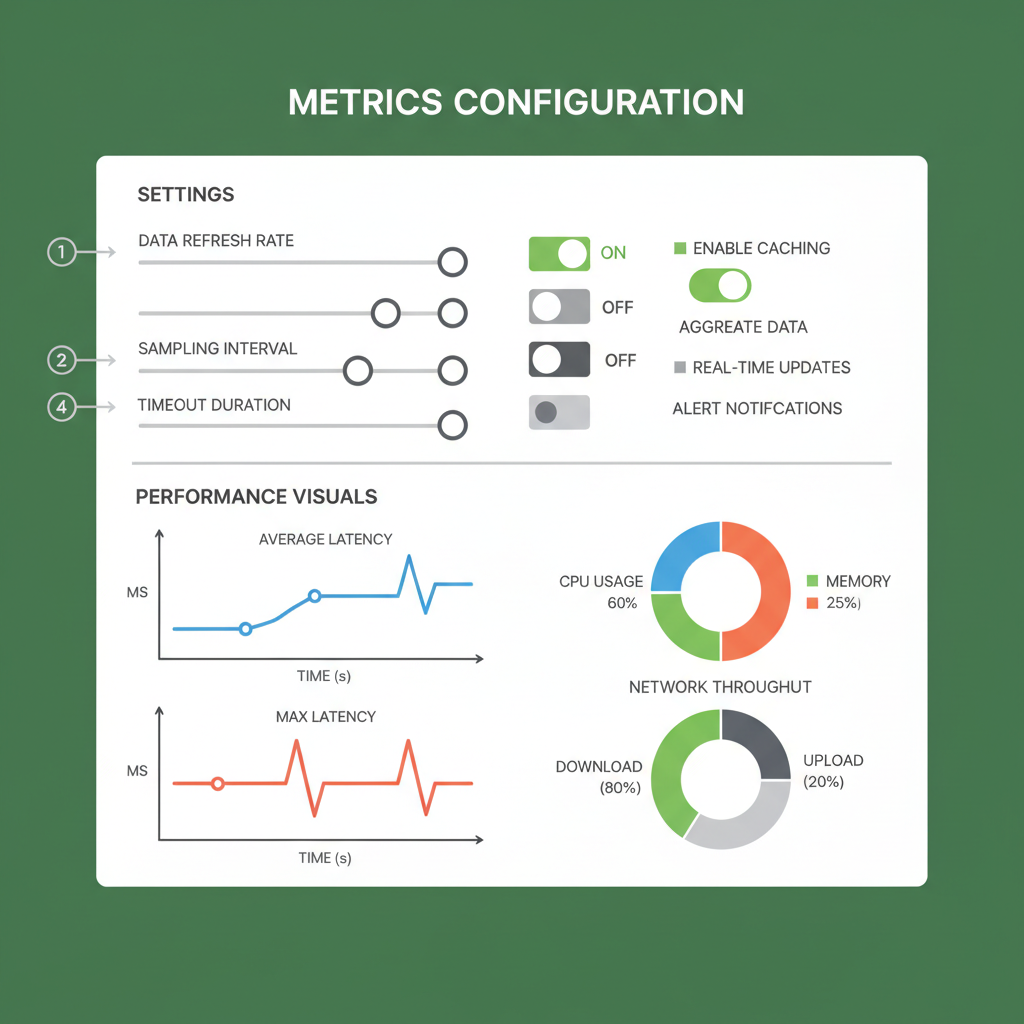
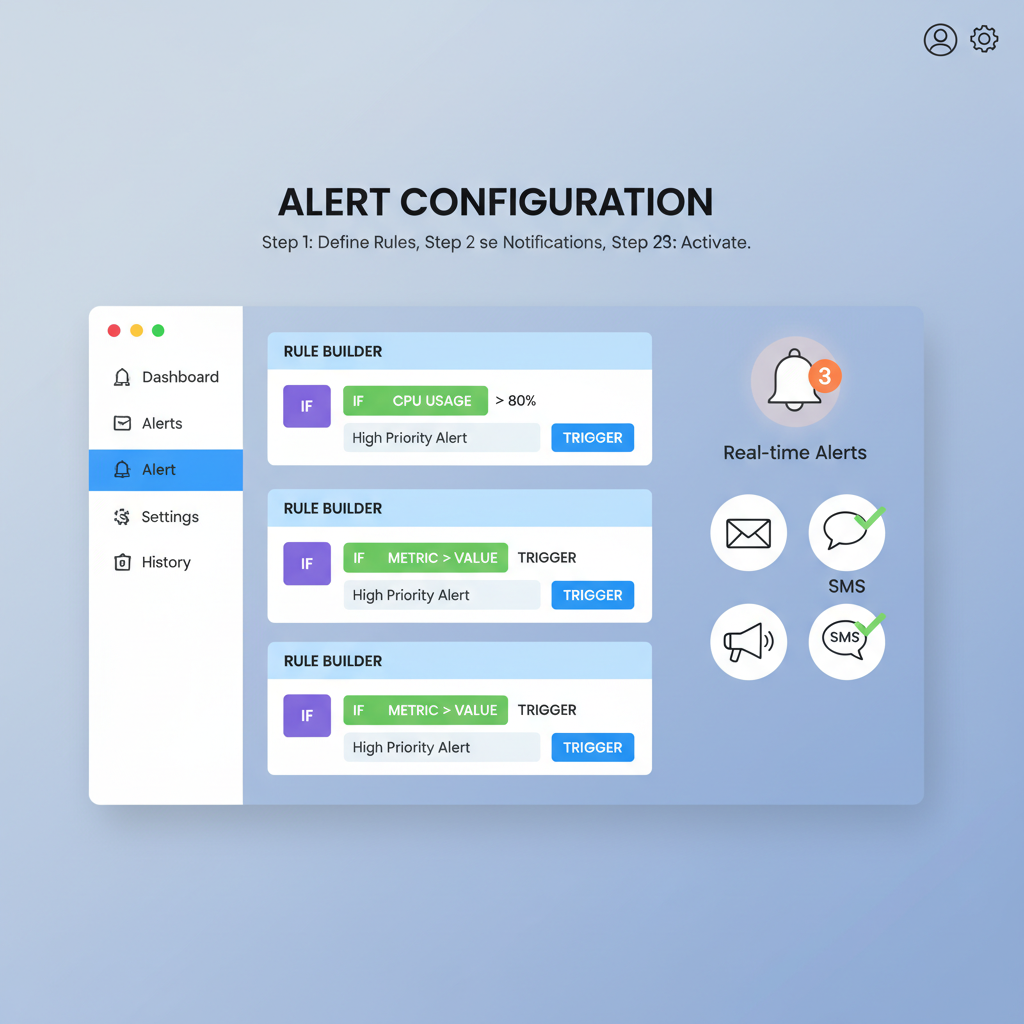
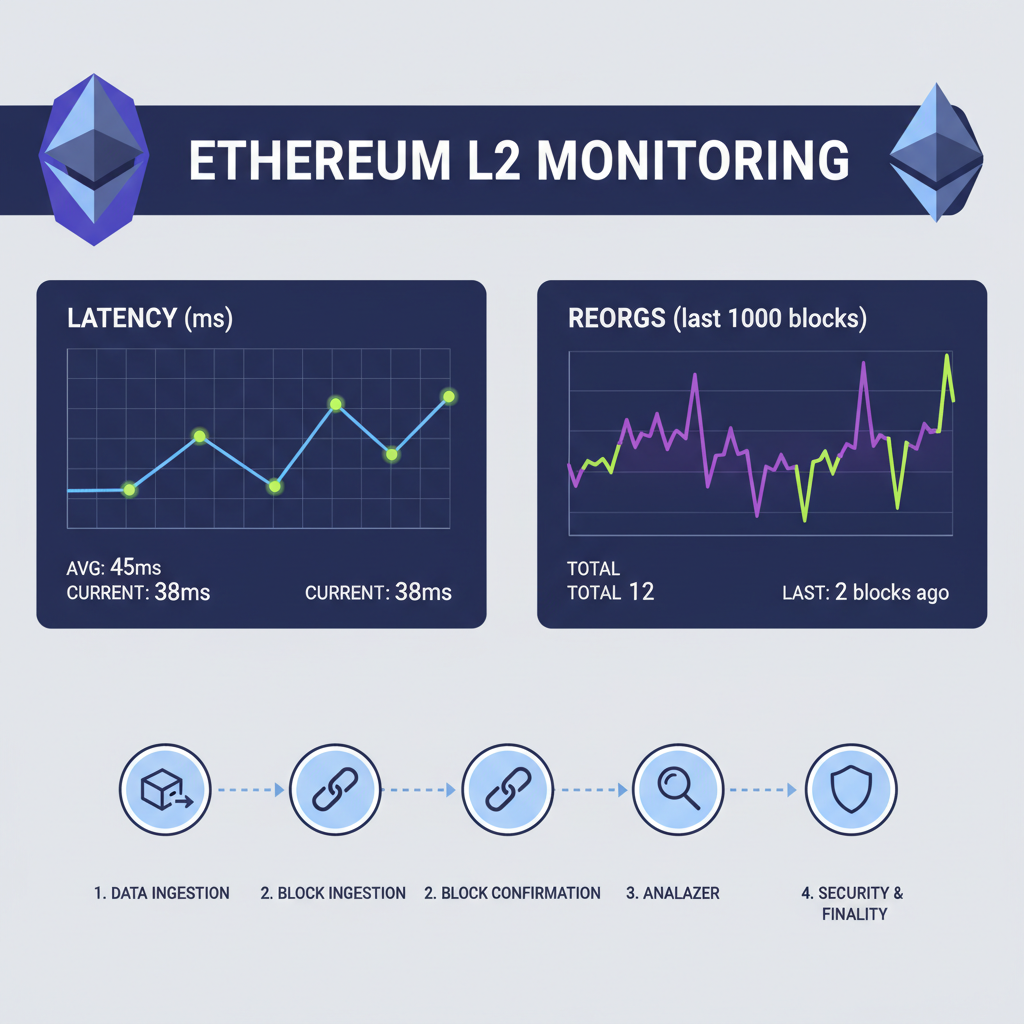
Once configured, alerts on propagation delays above 150ms prompt immediate node tweaks, like optimizing gossip ports or diversifying operators. In my strategies, this setup has preserved yields during Galaxy-noted decentralization ramps, where single-sequencer failures could cascade.
Fairness and Reorg Benchmarks in Shared Sequencers
Beyond speed, shared sequencer latency intersects with fairness protocols, where reorg rates under 0.1% define robust systems. Arbitrum Nitro’s batching shines here, but shared models amplify searcher influences, as Arbitrum Research details in bidder economics. Benchmarks must quantify this: high reorgs signal ordering biases favoring whales, eroding trust in optimistic setups. ZK rollups sidestep some issues via validity proofs, yet their latency premiums demand hybrid monitoring.
These figures, pulled from live SharedSeqWatch. com feeds, highlight Optimism’s edge in equitable ordering post-decentralization upgrades. Yet, my analysis tempers optimism: without cross-rollup standards, benchmarks risk siloed views, masking interoperability drags noted in OSL’s 2026 L2 showdown.
Node runners should layer fairness audits atop latency tracks, using historical baselines to flag anomalies. EigenLayer’s AVS integrations add economic stakes, aligning incentives against collusion.
Optimizing Ethereum L2 Performance Through Benchmarks
Ethereum rollups benchmarks evolve from static reports to dynamic scorecards, pitting shared sequencers against solo models. Across Protocol’s head-to-head favors Arbitrum in throughput, but shared latency cuts cross-L2 settlement by 40%, per Zeeve’s projections. Challenges persist: centralization whispers in sequencer drift, security gaps in gossip layers, as arXiv papers warn via Optimism-based simulations.
Mitigation favors diversification – multi-operator pools via EigenLayer, coupled with Blocknative’s tx forensics. In portfolios I’ve managed, rollups hitting 99.9% uptime with balanced ethereum l2 performance metrics outperform by 15-20% in risk-adjusted returns. ScienceDirect’s TVL snapshot reinforces this: dominance demands reliability.
ScienceDirect’s TVL snapshot reinforces this: dominance demands reliability. As shared sequencers bridge rollups, expect benchmarks to standardize around inclusion-to-finality loops under 5 seconds. Tools like ours at SharedSeqWatch. com already lead, offering peer comparisons that guide upgrades. Operators who embed these now position for the interoperability surge, where latency isn’t just measured, but mastered.
About the Author